At the meeting of the Swiss-Israel Chamber of Commerce, an expert explained why healthcare innovation will drive economic growth in the future and how the Sheba Medical Center is becoming a global driver for medtech, AI and resilience.
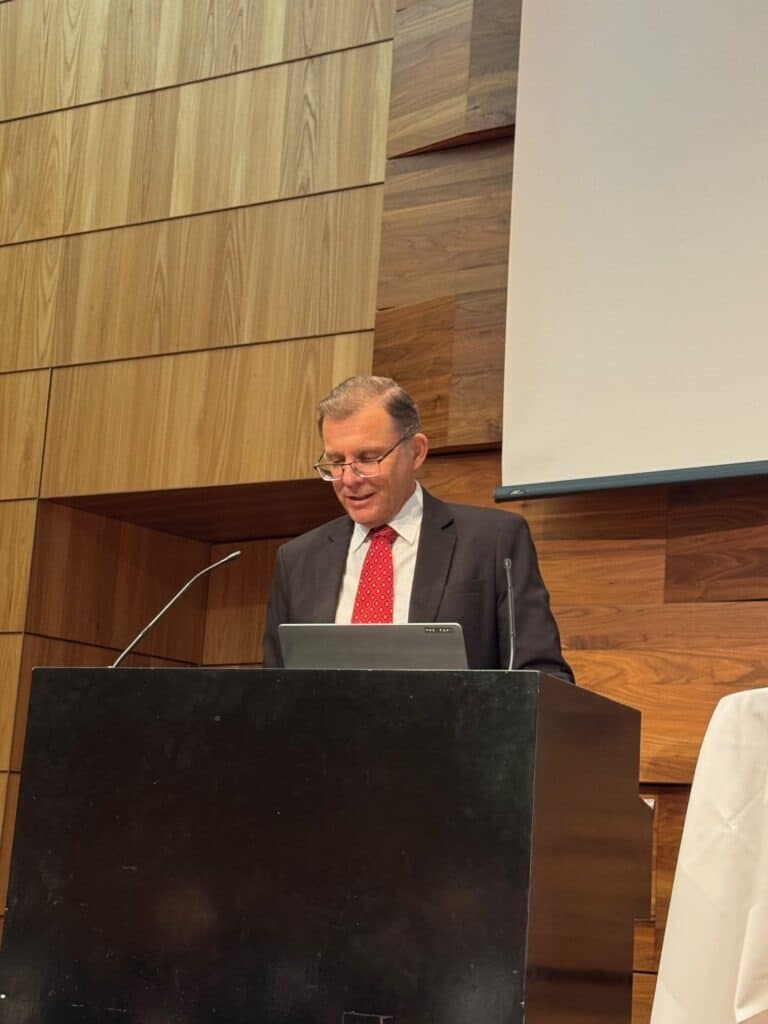
Israeli Ambassador Dr. Tibor Shalev Schlosser opened the event with an assessment of the situation in the Middle East: two years of war, profound regional shifts and an ongoing terrorist threat. Despite these pressures, the Israeli economy has proven to be surprisingly robust, with low unemployment, high export volumes and continued strong relations with Switzerland.
Schlosser emphasized the country’s “remarkable resilience” and particularly highlighted the role of the high-tech industry, whose innovative strength was a key driver of growth.
Macroeconomic outlook: No fear of the next wave of inflation
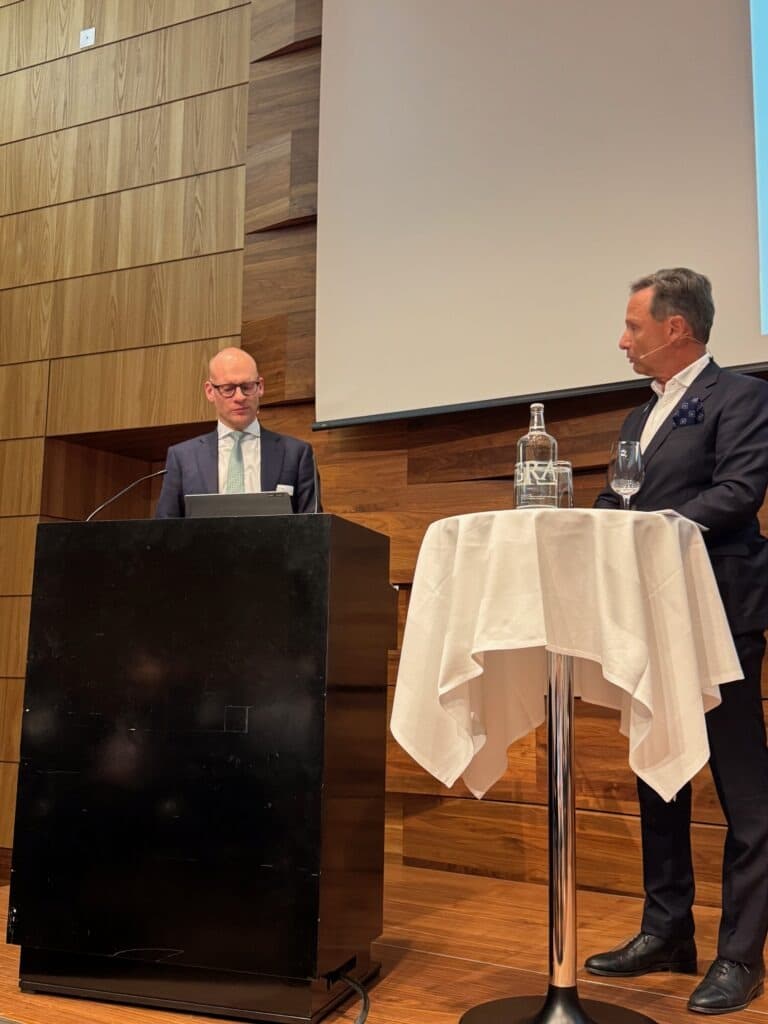
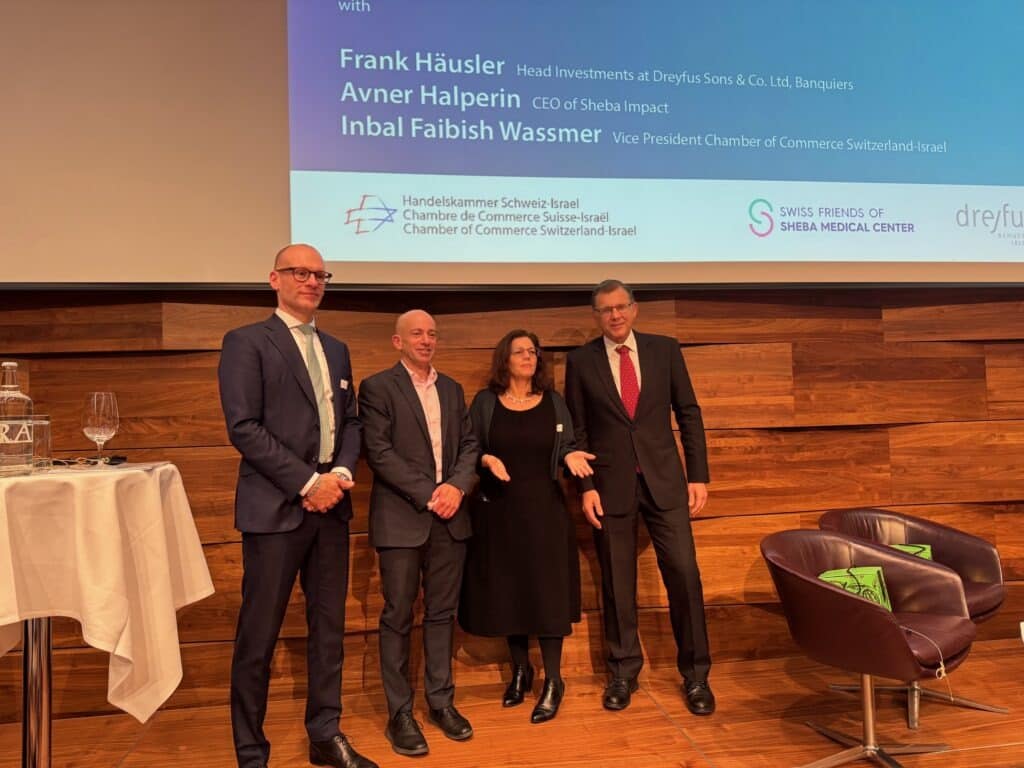
Frank Häusler, Head Investments at Dreyfus Söhnen & Co. Ltd Banquirs, bridged the gap between geopolitics and the financial markets. His core message: despite uncertainties, inflation risks are limited, global economic data is stable and equities are more attractive than bonds in the long term.
Häusler sees the major challenge in the growing US government deficits and the threat of a weakening dollar. Long-term investors should therefore focus more on robust sectors such as health tech. Sustainable business models with high social relevance are emerging there.
Sheba: When a hospital becomes an innovation ecosystem
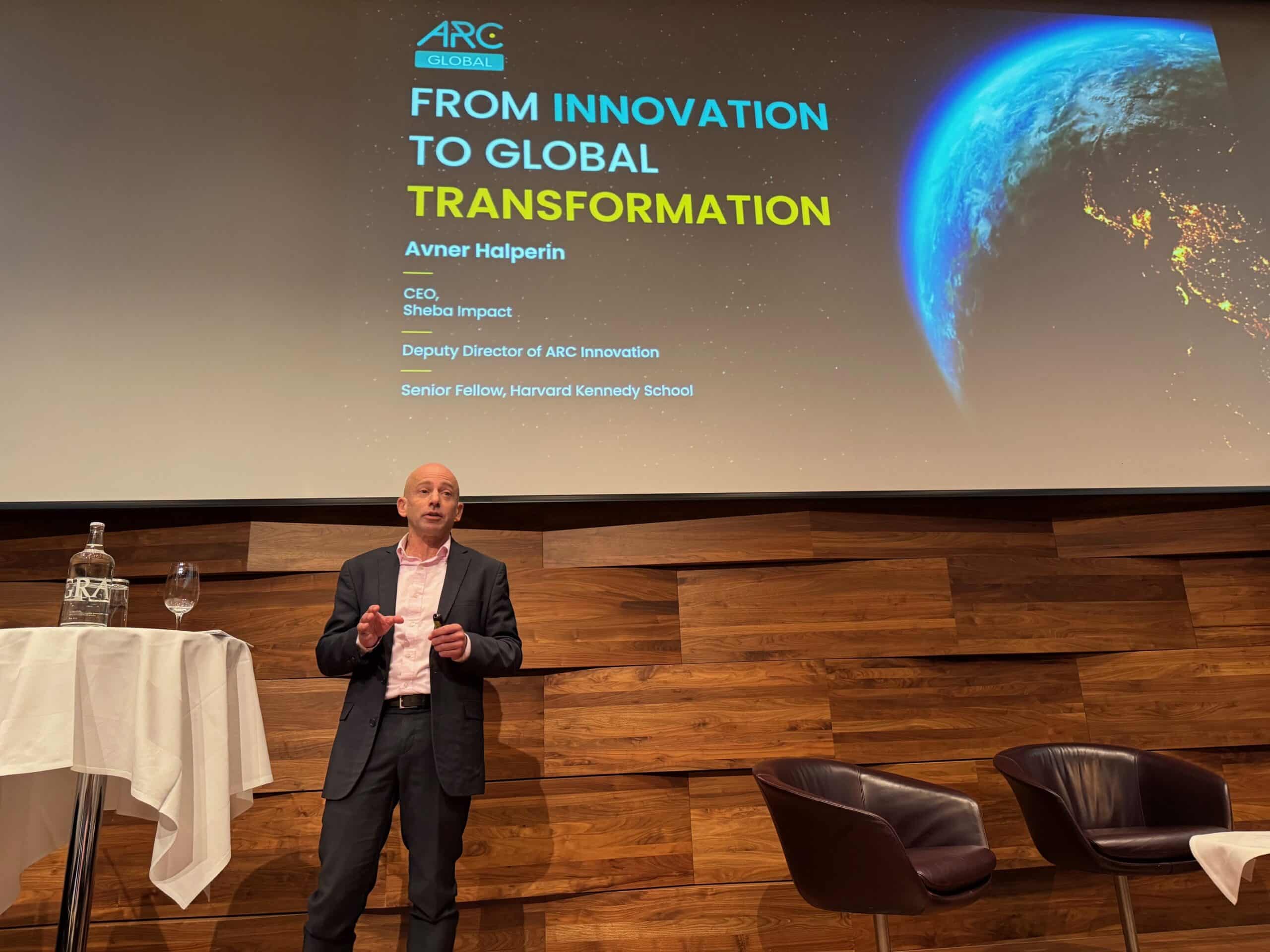
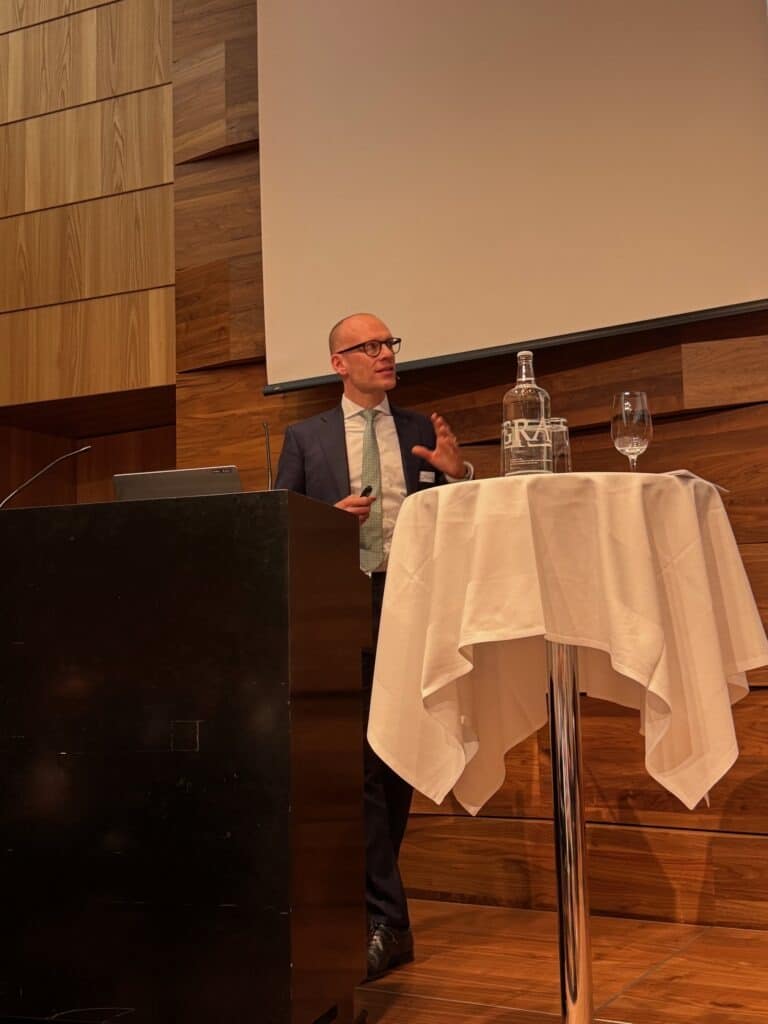
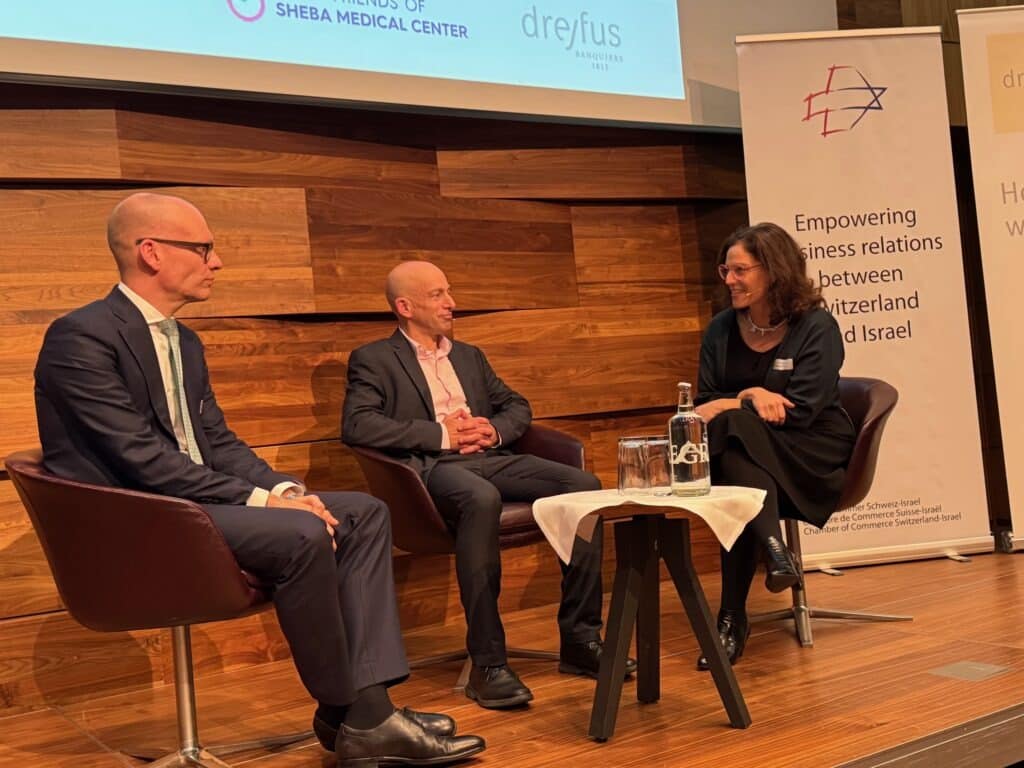
The main focus was the presentation by Avner Halperin, CEO of Sheba Global, the innovation and founding unit of Sheba Medical Center. According to Newsweek, Sheba is one of the best hospitals in the world and an international development center for medical technology, AI and digital care.
Halperin’s thesis: Health is not a cost center, but a growth engine. With the ARC (Accelerate, Redesign, Collaborate) program, Sheba has been building a systematic innovation model for years with remarkable results:
- These include around 20 new start-ups per year,
- 3,500 jobs created,
- a cumulative enterprise value of the spin-offs of just under 6 billion US dollars,
- and a global network of clinics that adopt Sheba’s models.
Innovation from data – and from the crisis
Sheba has been working paperless for over two decades. The resulting database enables AI applications that are used worldwide, such as the start-up Aidoc, which automates diagnostic imaging and has been proven to reduce mortality from brain haemorrhages.
The war since October 7 has brought new challenges and innovations. Halperin gave examples from mental health care and rehabilitation. For example, LIV is an AI-based conversation partner for the early detection of trauma and stress disorders.
Sheba is currently developing an implantable sensor to restore feeling to the fingers of amputated or injured soldiers. At the same time, the hospital has set up underground field hospitals in parking garages to protect patients from rocket attacks. This concept is now also being adopted by European hospitals.
From the desert to Boston: innovation for everyone
Halperin particularly emphasized the social aspect: Sheba not only builds cutting-edge technology in Tel Aviv, but also strengthens underserved regions, for example with a new high-tech hospital in the Negev desert or a resilience and innovation center in Sderot, near the border with Gaza.
However, the company is looking far beyond Israel: Sheba wants to use a global ARC network to connect clinics worldwide, share innovations and create shared data spaces. A “landing pad” in Massachusetts is intended to make it easier for start-ups to access the US market.
Health innovation as a joint task
The event impressively demonstrated that health innovation is becoming a key factor for resilience and growth, be it geopolitical, economic or social.
With Sheba, Israel is demonstrating how a public hospital can become a technology and economic driver. Switzerland, on the other hand, has excellent conditions to benefit from such models, for example in medtech, digitalization and insurance innovation.
Cooperation, not competition, is the common thread that will determine the success of both countries in the future.
Binci Heeb
Read also: From buzzword to practice: How personalized health is changing medicine
Search:
Sponsors: