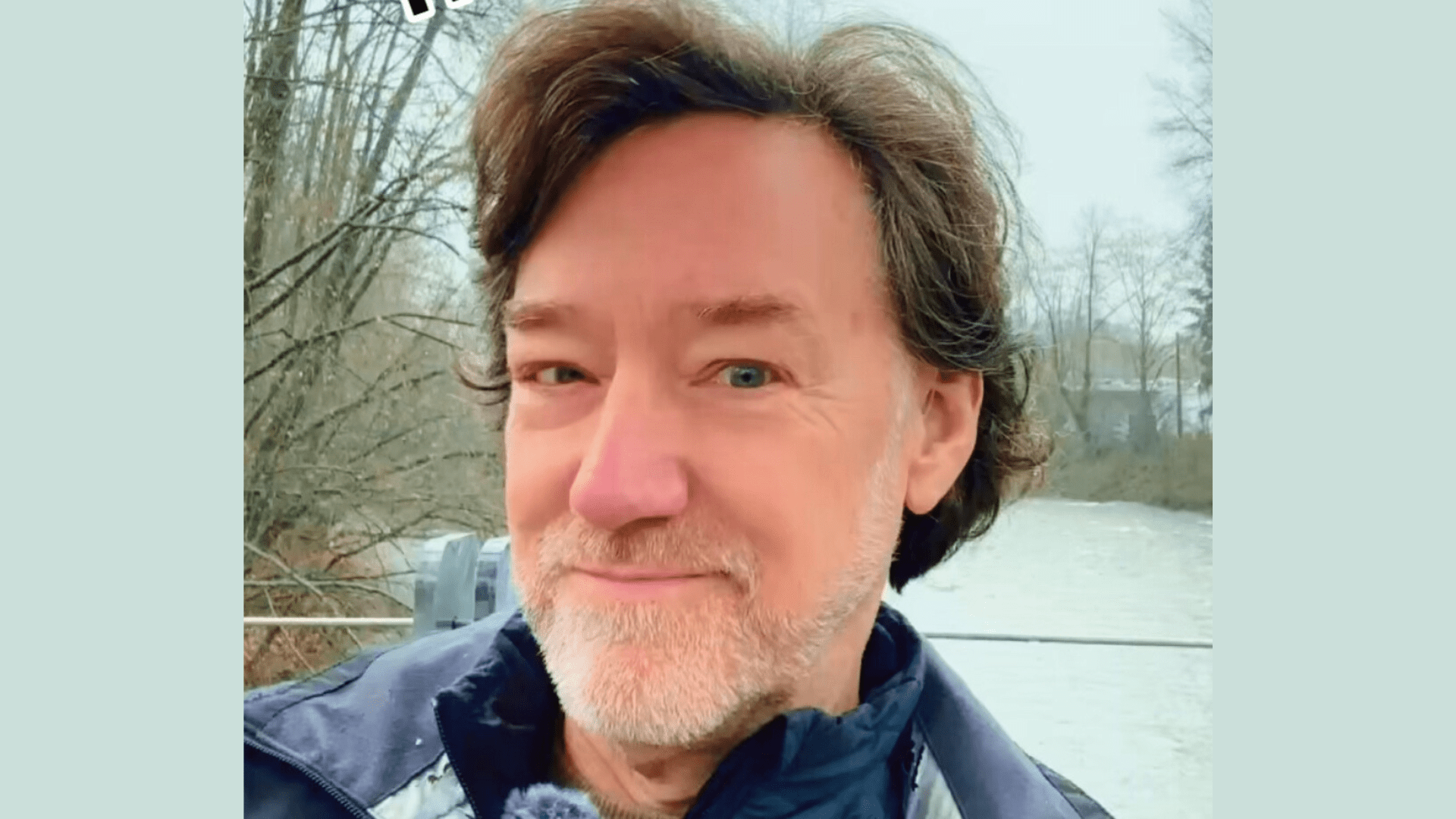
Who hasn’t experienced how a small mistake or an unfavorable moment can suddenly spark great anger? In our boss, in our partner or in ourselves. Alistair Moes, who comes from Canada, has spent three decades looking at anger not as a bug to be fixed, but as an intelligent signal that reveals pain, unmet needs and boundaries. In his work with CEOs, Olympians, fathers, trauma survivors and even the homeless, he explores how anger is shaped by gender, culture, life transitions and our digital age.
In an interview with thebrokernews, Alistair Moes‘ focus becomes clear: not to control anger, but to transform it.
Alistair, you say anger is not the problem, it is a signal. What did your own life teach you about the intelligence of anger?
My own life taught me that anger is the part of us that refuses to stay silent when something essential is being overlooked. In divorce, in parenting, and in the deep valleys of grief, I discovered that anger often rises when the truth has been ignored for too long. It is not there to harm us. It is there to bring us back to ourselves. When I finally slowed down and listened to the sensations instead of fighting them, I realized that anger had been trying to protect the most vulnerable parts of me all along. That insight reshaped my life and my work.
Many people fear losing control when angry. What is actually happening when we lose it and what do we misunderstand?
When people lose it, what they are experiencing is not too much anger. It is too much fear and pain beneath the anger. The nervous system shifts into survival mode and the thinking brain goes temporarily offline. People misunderstand the eruption as failure rather than overwhelm. When they understand how their physiology works, they stop shaming themselves and begin reclaiming control from the inside.
You have worked with executives, athletes, and people experiencing homelessness. What universal anger patterns have you discovered?
I have seen anger across every social landscape and what unites us is this. Anger rises whenever connection breaks down. Whether it is a CEO in a corner office, an athlete under pressure, or someone living on the street, the root is the same. People lose their temper when they feel unseen, unheard, powerless, and not valued. Anger is an attempt to restore dignity. Once their story is acknowledged, the intensity almost always softens.
You distinguish between controlling anger and transforming it. How do you help people move from management to transformation?
Controlling anger keeps a lid on the pot. Transforming anger changes the heat beneath it. I guide people into their body so they can notice the tightness in the chest, the clenching in the jaw, the burning in the belly etc. When they can stay present to those sensations without fear, the anger reveals its message. At that moment they are learning from it rather than fighting it and this is where transformation begins.
What surprises people most when they discover what lies beneath their anger?
Most people are shocked to discover how much sadness, shame, or loneliness has been living underneath the frustration. Many discover that they are not actually angry at their partner or colleague. The anger emerges from an unhealed wound from when they were younger. That younger version of themselves never received compassion, emotional safety. When that realization lands, the entire emotional landscape changes.
How is modern anger different from what you saw 30 years ago?
Modern anger is more fragmented. Technology keeps people slightly activated all day so they are already closer to the edge when anything stressful happens. Remote work and social media create a sense of invisibility and comparison that wears people down. Thirty years ago there were more natural pauses built into daily life. Today the world rarely stops and anger tends to flare more quickly and more subtly.
You have worked extensively with men. What myths about male anger still dominate and why are they dangerous?
Many men still believe that anger is the only emotion they are allowed to express. Another myth is that control equals strength. Both are dangerous because they separate men from their humanity. True strength is the ability to feel without collapsing or exploding. When men reconnect with their emotional range, they become better partners, fathers, and leaders.
Suppressing anger can feel mature. When does suppression become toxic and what early signs do you watch for?
Suppression becomes toxic the moment the body starts carrying emotions the mind refuses to acknowledge. Early signs include chronic tightness, irritability, emotional numbness, and growing distance in relationships. People who suppress anger often appear calm yet feel exhausted internally. The body tells the truth long before the mind is willing to.
What unique challenges do people in their 50s and 60s face when exploring their anger and legacy?
By midlife many people carry decades of unspoken pain. They fear that it may be too late to change or repair relationships. There is also a grief that comes from realizing how much of their life was shaped by fear rather than authenticity. Yet this is also the age when people begin asking deeper questions about legacy. They want to pass on wisdom instead of wounds. When they discover that it is never too late, change becomes possible.
You describe anger as the guardian of our boundaries. Can you share a story where that changed someone’s life?
I worked with a man who avoided conflict for years because he feared becoming like his father. He buried every feeling that might resemble anger. As a result he lost his voice in his marriage and career. When he finally understood that anger was not trying to turn him into his father but was trying to help him speak his truth, everything shifted. He set one honest boundary and said it felt like he had come home to himself for the first time in decades.
Some worry that becoming less reactive means losing their edge. How do you help them stay powerful without the explosion?
I remind people that reactivity is not power. It is a survival response. When they learn to regulate their nervous system, they access a deeper clarity that strengthens their presence. They keep their edge but lose the destructiveness. Assertiveness becomes cleaner. Decisions become wiser. Their voice carries more weight because it comes from groundedness rather than fear.
What has surprised you most in decades of group work about how people change or resist change?
I am continually moved by the speed at which people change once they feel safe. A room of strangers can become a place of profound healing within hours. What surprises me just as much is how fiercely people resist change when shame convinces them that they do not deserve healing. The moment shame loosens its grip everything becomes possible.
What role does the body play in understanding anger?
The body is always the first place anger speaks. A tight chest, heat in the face, a jaw clench, a knot in the stomach. These sensations arrive before we have a single thought. When people learn to notice what their body is saying, they begin to understand anger as communication rather than failure. The body tells the truth with incredible accuracy.
How do you distinguish between healthy drive and unhealthy anger in leaders or athletes?
Healthy drive energizes the person and the people around them. Unhealthy anger drains everyone. When someone is fueled by purpose, their body feels grounded and expansive. When fueled by resentment or fear, they become tense and reactive. Drive without awareness becomes aggression. Drive with awareness becomes excellence.
What do you believe is the next frontier in anger work?
The future of anger work lies at the intersection of neuroscience, somatic healing, and intergenerational trauma. We now understand that anger is shaped by our personal story and also by the emotional history carried through our families. As digital therapy evolves and research deepens our understanding of the nervous system, anger work will shift from behaviour control to embodied transformation. The next frontier is compassionate, science based, and profoundly human.
The questions were asked by Binci Heeb.
Alistair Moes is a leading expert in anger, emotional intelligence, and trauma-informed transformation. For more than 30 years he has guided thousands of men and women toward healthier relationships, deeper self awareness, and more empowered lives. As the founder of Moose Anger Management, he integrates neuroscience, somatic awareness, and a profoundly compassionate perspective to help people understand the deeper stories behind their reactions. His work has influenced executives, athletes, first responders, and everyday people who are ready to turn anger into insight rather than destruction.
Listen and read also: thebrokernews Podcast Episode 7: “Stress is not the problem” – Why we need it and how to manage it properly
Search:
Sponsors: