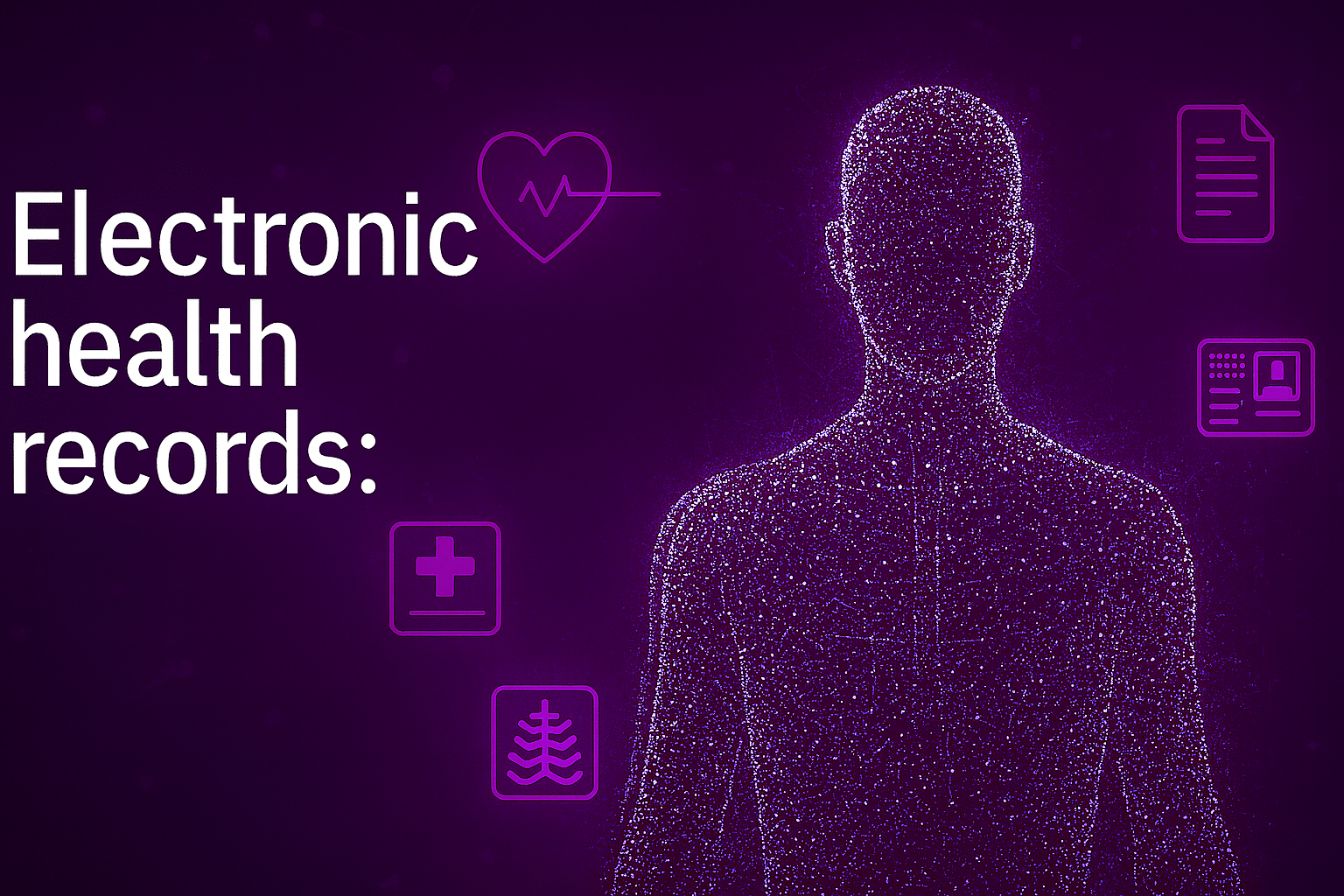
The Federal Council is realigning the digital healthcare system and wants to replace the current EPD with the electronic health record (E-HD), which will be automatically opened to the entire population. The new law would fundamentally clarify tasks, responsibilities and financing. The e-health record will become the key to a networked, transparent and patient-centered healthcare system. Automatic, binding and life-long, with clear responsibilities, secure funding and a strong focus on personal responsibility.
Until now, the electronic patient record has been perceived by the public as a tool for sick people, perhaps useful, but far removed from most people’s everyday lives. With the new electronic health record (EHR), this view is set to change fundamentally. The dossier is intended to accompany citizens from birth: not only for diagnoses and treatments, but also for vaccinations, screening and prevention. It will become a life-long tool that no longer sees health as just a medical record, but as personal health capital. Digital, secure and accessible at all times.
Why the first attempt failed
The previous electronic patient dossier fell short of its potential not for technical but for structural reasons. As neither patients nor outpatient service providers were obliged to join, it was never used across the board. Decentralized implementation made exchange, standards and further development difficult. In addition, there was a complex certification system that slowed down the introduction. There was also a lack of a clear financing perspective. The result: many pilot projects, little everyday benefit, hardly any acceptance.
Digital change with system and control
With the total revision, the Federal Council is drawing the consequences: The technical infrastructure will be operated centrally in a national information system that ensures interoperability, security and efficiency. The cantons are responsible for operation in the sense of a public service and can involve local communities, which, however, act primarily as service and support points. For the first time, responsibilities between the federal government, cantons and service providers are clearly defined in technical, organizational and financial terms.
Automatic opening with full self-determination
The new system is based on the opt-out model: every person living in Switzerland automatically receives an electronic health record free of charge – as long as they do not actively object. This removes the hurdle of voluntary registration. Nevertheless, informational self-determination remains intact. Owners continue to decide for themselves which data is released – and who is allowed to see it. Every access is logged so that it remains transparent who accesses which information and when. This strengthens trust and digital health literacy.
A digital link for the entire healthcare system
E-GD will be mandatory for all service providers who bill health, accident, disability or military insurance. This will create an end-to-end digital supply chain for the first time – from the village doctor’s surgery to the pharmacy, hospital, rehabilitation and long-term care. Treating specialists will benefit in particular if imaging data, medication lists or laboratory values can be viewed directly instead of being collected multiple times.
What will change for me?
| For citizens | For health professionals | For the healthcare sector |
| An automatically opened dossier with full control over access rights. Comprehensible, structured and available at all times, even when changing practices or in an emergency, | More efficiency, fewer duplicate examinations, direct access to relevant information. | Potential savings in administrative processes, better coordination and higher quality of care. |
From the medical record to the healthcare platform
The E-GD is more than just a digital folder for medical findings. It is an expression of a cultural change: away from a passive role for patients towards active, informed and confident participation in their health. Those who have an overview of diagnoses, vaccinations, medication plans or preventive check-ups make more informed decisions. Health becomes a transparent process that can be shaped.
A digital foundation for the future
The new law creates structures that go far beyond the E-GD: It opens up prospects for digitally supported prevention, personalized medicine and networked care. It turns the healthcare dossier into not just another IT project, but the basis for a resilient, coordinated, transparent and sustainable healthcare system.
Introduction
The next step is for Parliament to consider the draft law. It can make amendments or reject the Federal Council’s proposal. If the bill is adopted, the federal government will procure the new central IT infrastructure so that the electronic health dossier can probably be introduced at the beginning of 2030.
Binci Heeb
Read also: Electronic patient dossier: Why Switzerland is lagging behind – and how Germany is setting the pace
Search:
Sponsors: