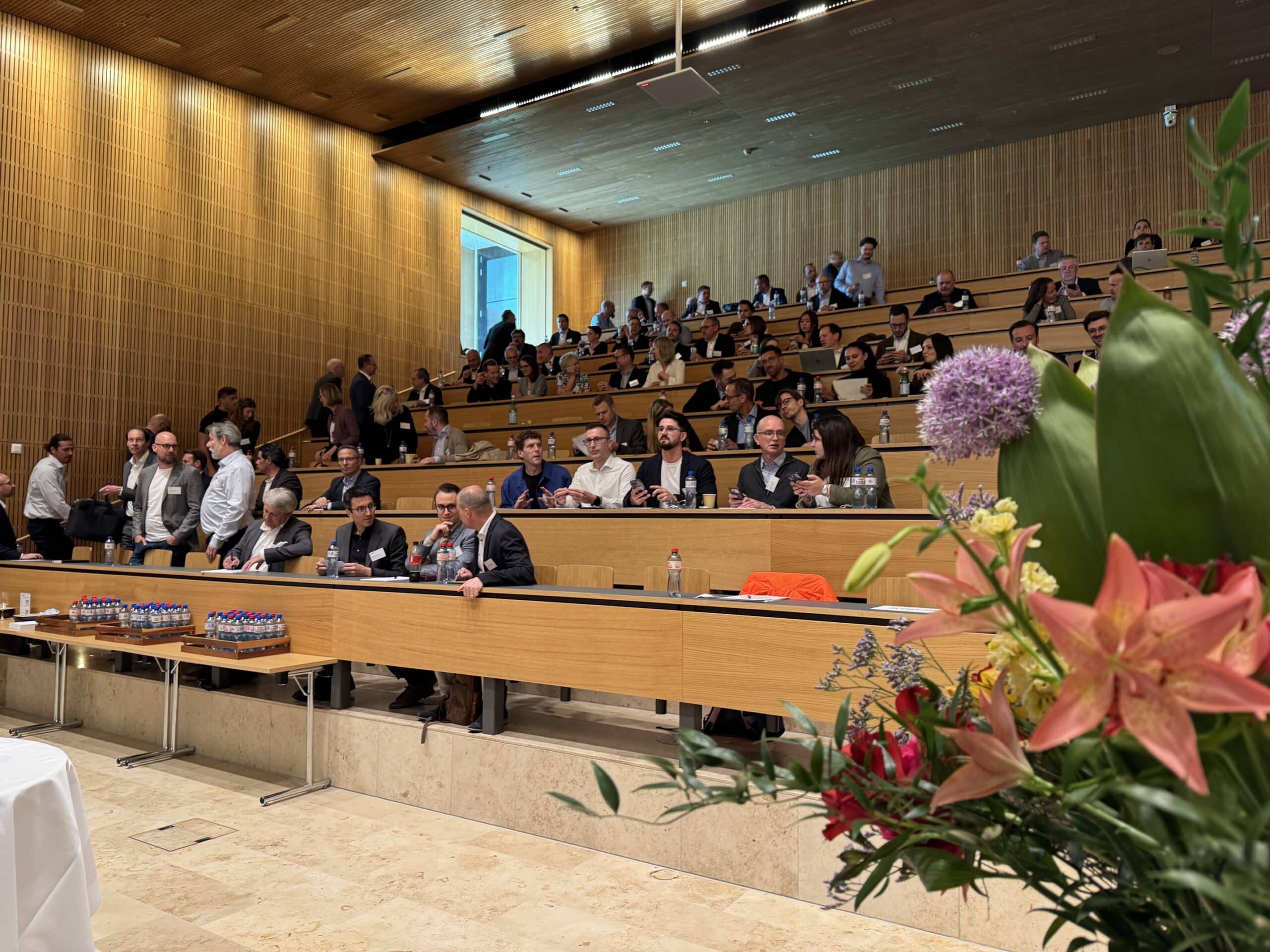
The insurance industry is under massive pressure to change. Artificial intelligence, rising costs, legacy systems and new customer requirements are driving companies to rethink processes, organizations and entire business models. At the top-class IFZ Insurance Summit 2026, representatives from Swiss Re, Signal Iduna, Swiss Life, Helvetia, Generali, SCOR and experts from science and business discussed how far-reaching the transformation already is and why technology alone is not enough.
For many participants, the release of ChatGPT at the end of 2022 marked a historic turning point. Ermir Qeli from Swiss Re spoke of a moment that fundamentally changed the perception of artificial intelligence. What was previously considered a specialist discipline for data scientists suddenly became directly usable for specialist areas.
This is particularly crucial in the insurance industry. Insurance policies are based on data, risk analyses and complex contracts. Previously, it often took months or years for business requirements to be translated into technical solutions. AI shortens these cycles dramatically. Prototypes are now created within days or weeks instead of years.
The shift in dynamics between business and IT is particularly noteworthy. In the past, IT departments had to actively sell new tools. Today, the pressure comes from the business units themselves. Employees are experimenting with AI tools privately and expect them to be used within the company.
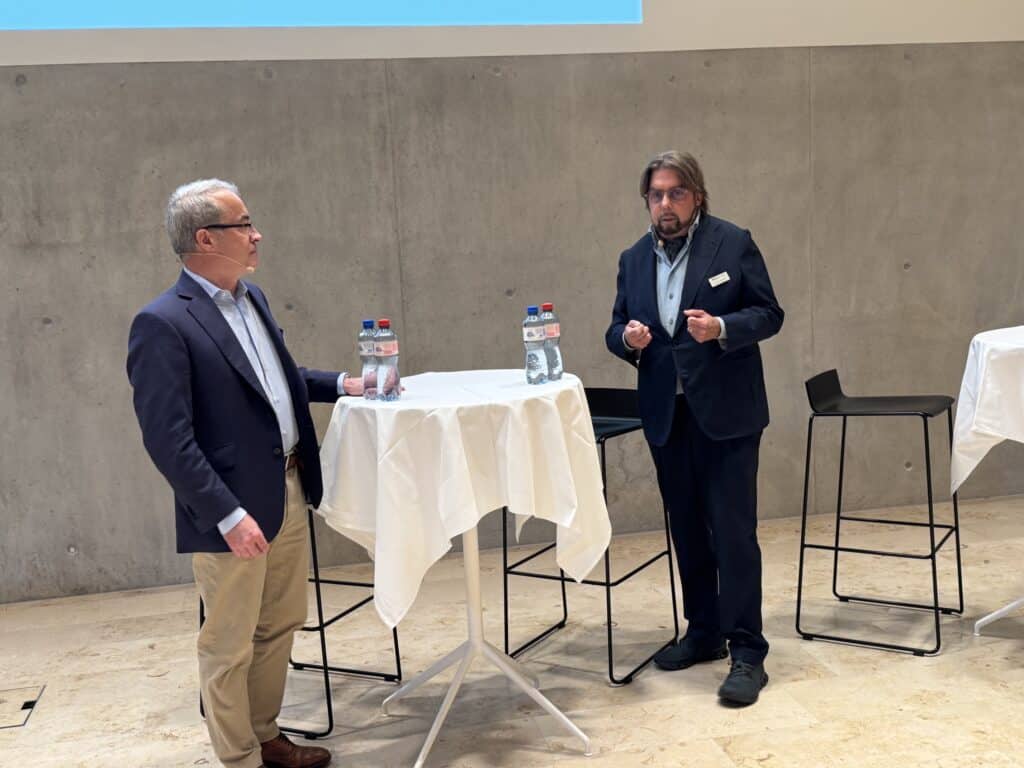
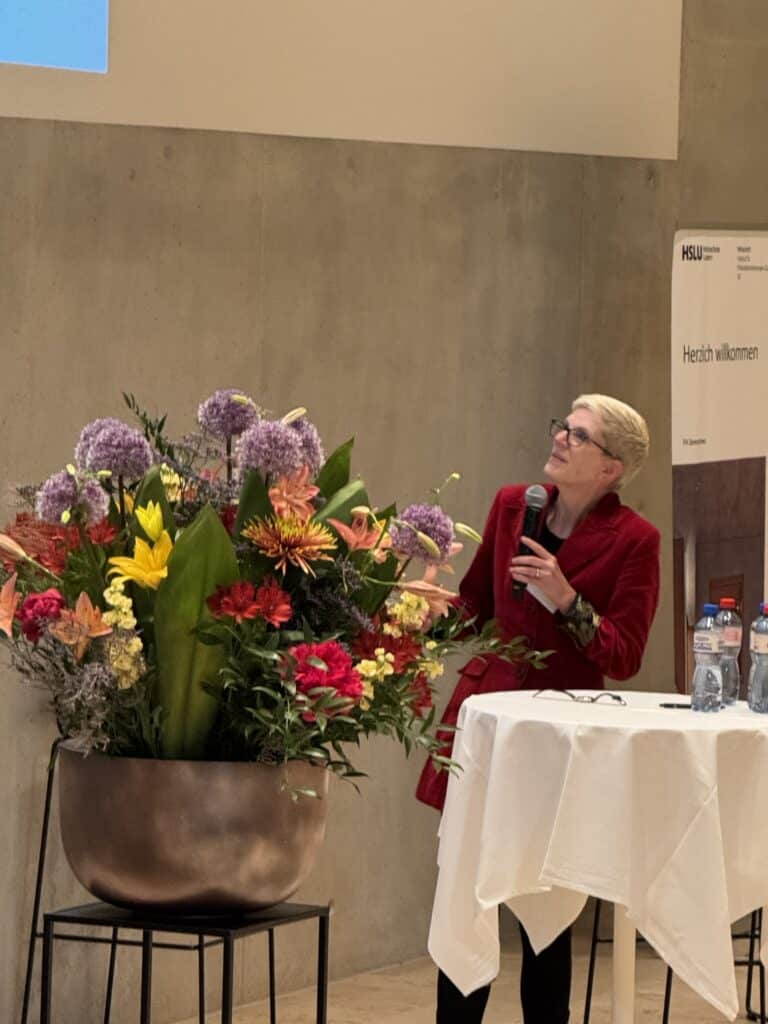
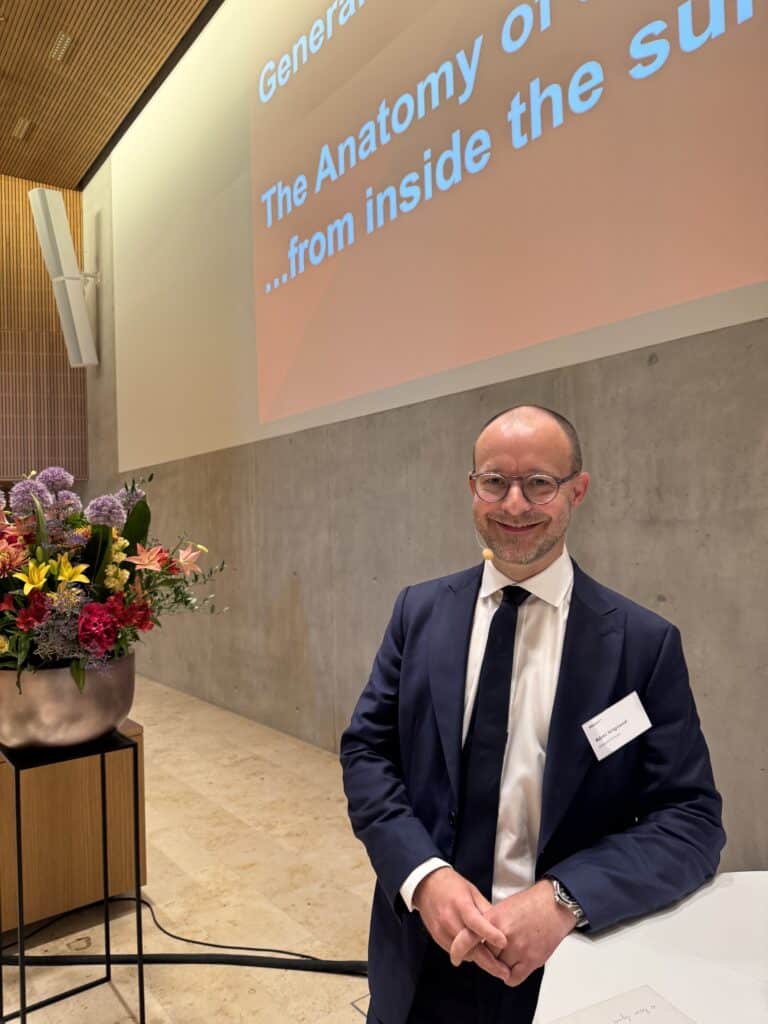
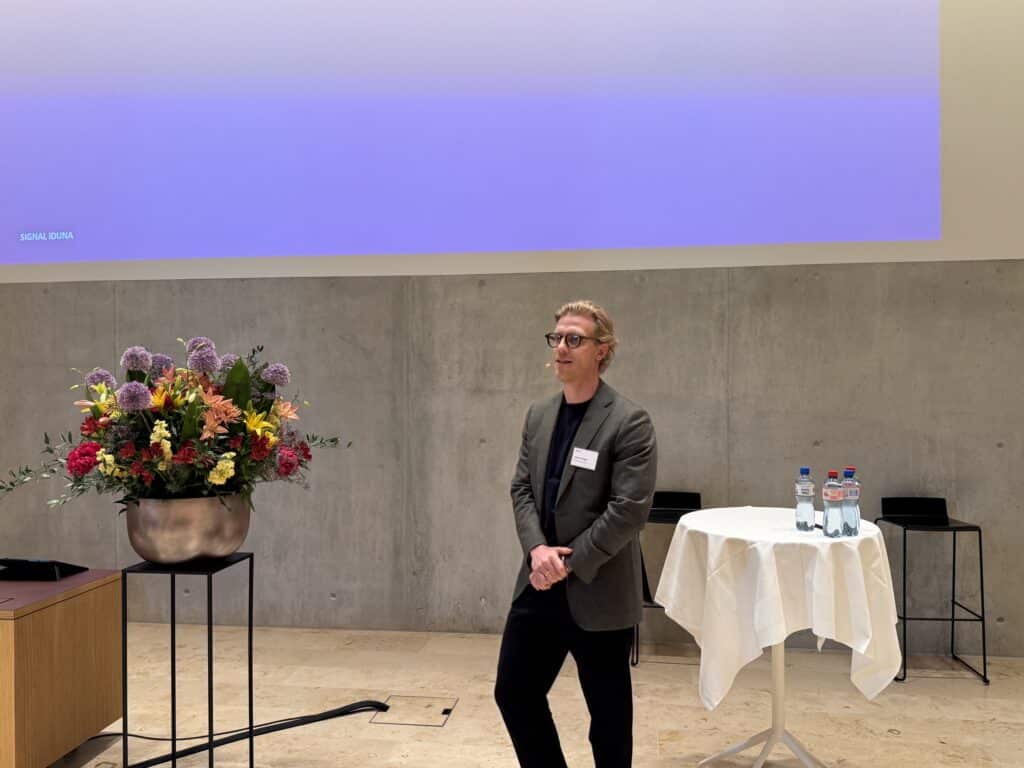
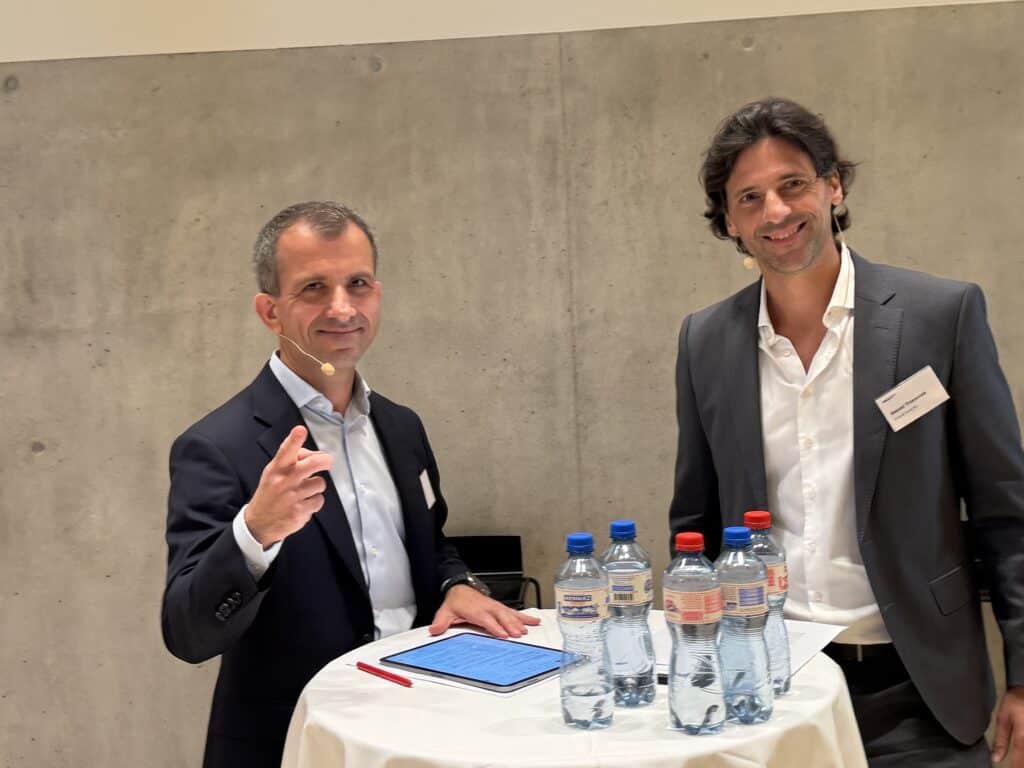
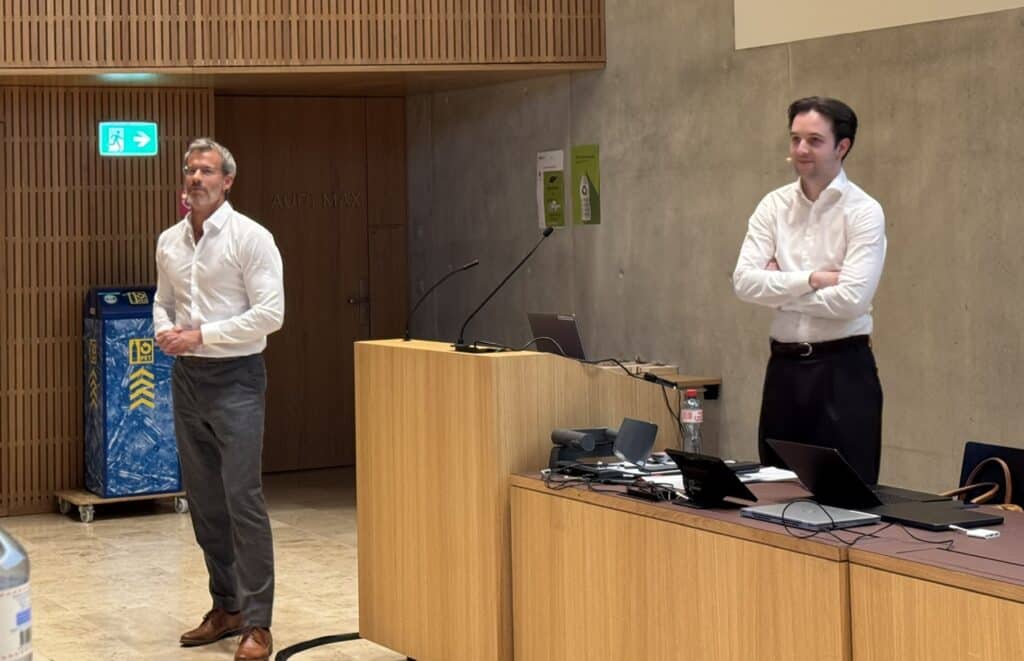
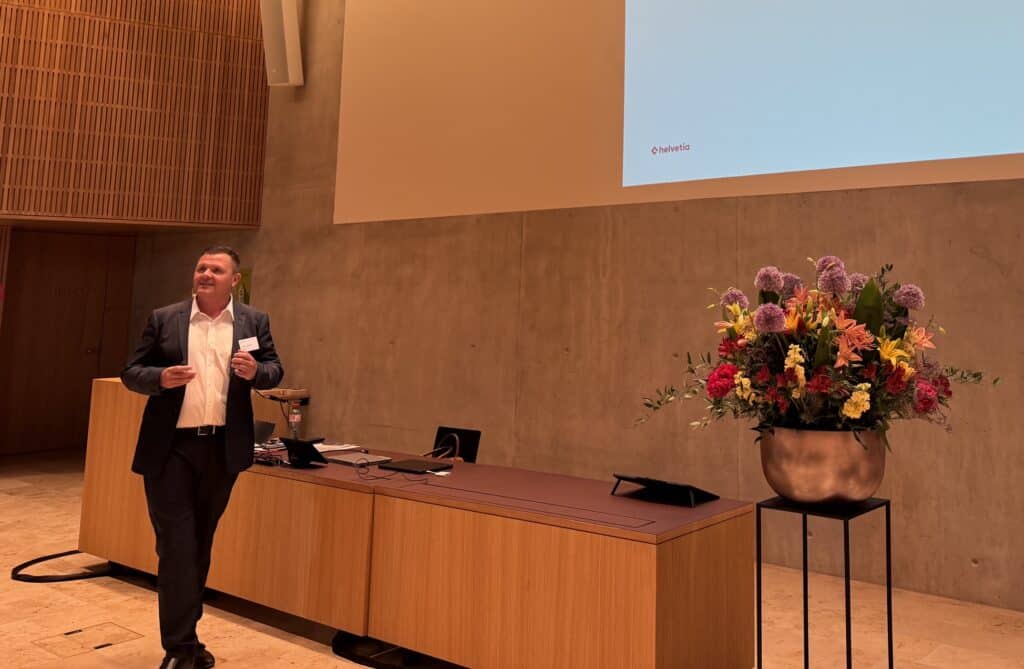

Swiss Re now uses generative AI tools such as Enterprise ChatGPT and Copilot throughout the Group. More than 10,000 employees use these systems every day. The focus is now shifting from personal productivity to the complete redesign of central processes, for example in underwriting and claims processing.
The traditional separation between business and IT is increasingly being dissolved. Today, projects are implemented in mixed teams, without lengthy handovers and specifications. It was precisely these handovers that were previously one of the biggest sources of friction.
Platforms instead of uncontrolled growth
Despite all the enthusiasm for AI, there were several warnings about uncontrolled fragmentation. Daniel Trzesniak (Ernst & Young), who moderated the discussion with Swiss Re, spoke of the danger of a “shadow AI” era comparable to earlier Excel worlds in which each department developed its own solutions.
Swiss Re responded to this with a platform approach. Data structures, governance and technical standards are organized centrally, while the actual implementation is decentralized. The balance between freedom and control is crucial.
The industry is still in its infancy, particularly in the area of so-called “agentic AI” – i.e. autonomously acting AI agents. In future, the challenge will be less about developing individual applications and more about monitoring thousands of automated processes simultaneously and keeping them controllable.
Nevertheless, the responsibility remains with the business. AI is seen as a tool, not as an independent decision-maker.
Signal Iduna: The agile insurance company
Timm Krieger from the Signal Iduna Group gave a particularly impressive account of his company’s far-reaching cultural change. The insurer began a radical agile transformation back in 2016.
At that time, the company management asked itself how a historically evolved organization with rigid hierarchies and different corporate cultures could be permanently changed. The answer was: through new structures.
Signal Iduna initially started with small teams and pilot projects. Today, around 80 percent of the office staff work in agile structures organized along the customer journey. Instead of traditional departments, there are so-called “tribes” that are geared towards customer needs: from marketing and product development to claims management and customer loyalty.
Business and IT have been consistently merged. Today, specialist departments are also responsible for their core systems and work together with technical teams on their further development. The aim was to put an end to the traditional opposition between business and IT.
What is particularly remarkable is that the transformation was not just limited to technology, but also had a profound impact on management structures. Entire hierarchical levels were abolished, decision-making paths shortened and responsibility shifted more to teams.
The results are clearly visible: higher customer satisfaction, greater efficiency and, above all, a massive increase in employee satisfaction. Many employees could no longer imagine returning to the old structures.
AI as a strategic investment
At the same time, Signal Iduna is investing heavily in artificial intelligence. Together with Google Cloud, a Group-wide business assistant was initially set up. The insurer then developed special AI solutions for health insurance.
The results are promising: higher productivity, faster case processing and better quality in customer service.
The Group-wide rollout of Gemini Enterprise for 11,000 employees within a single day was particularly ambitious. The adoption rate is now around 80 percent.
The approach is interesting. Instead of initially calculating classic business cases, Signal Iduna deliberately defined AI as a strategic investment. Employees themselves were asked to identify which processes could be usefully automated or improved.
However, the biggest challenge remains the integration into everyday working life. Resistance to AI is seen less for ideological reasons, but rather where the concrete benefits for employees are not yet clear enough.
Swiss Life: When software is suddenly created in hours
The presentation by Volker Schmidt (Swiss Life Switzerland) described a particularly drastic change. During a train journey from Zurich to Munich, a small team managed to develop a production-ready application within four and a half hours that was completely AI-generated and without any manually written code.
The actual development time is hardly the bottleneck today. Instead, the bottleneck is shifting towards governance, compliance and security tests.
In Swiss Life’s view, this is breaking down many decades-old IT dogmas. “Buy before make” is losing its validity. In future, applications will be built in-house more often than purchased. The idea that rebuilds of existing systems are the last resort is also increasingly being called into question.
The understanding of developers’ roles is also changing. In the future, the programming language will be less decisive than an understanding of architecture, problem-solving skills and judgment.
The real challenge now lies in adapting organizations to this new speed.
The study: The greatest pressure comes from costs
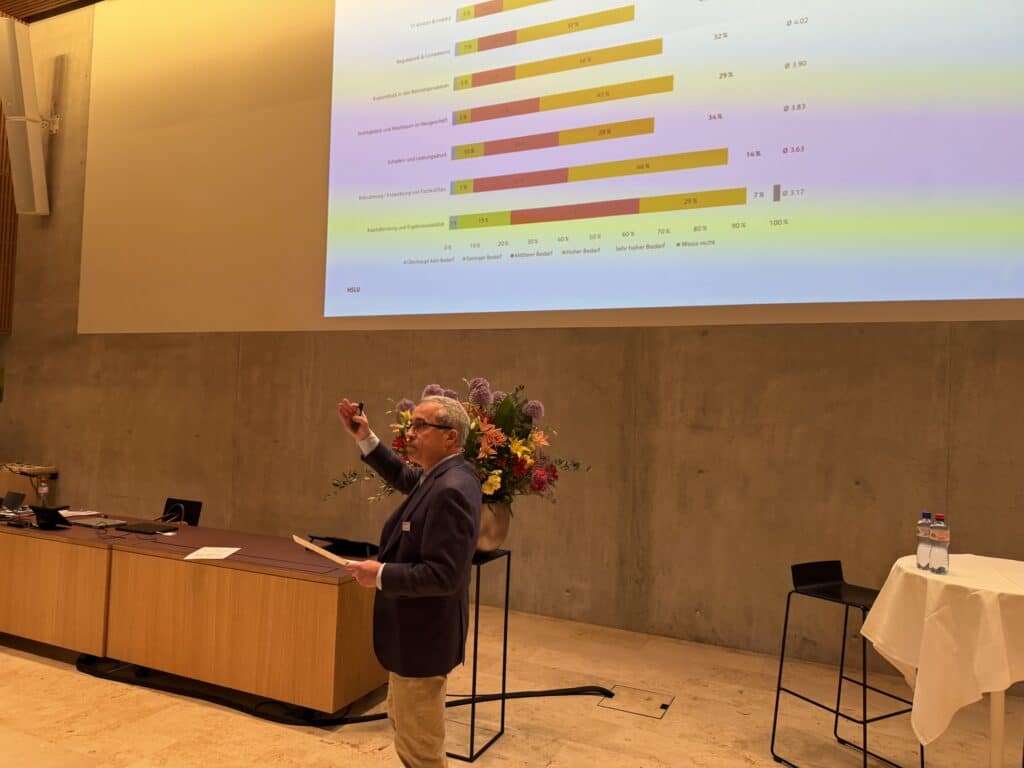
The accompanying IFZ insurance study presented by Dr. Carlo Pugnetti (Lucerne University of Applied Sciences and Arts HSLU) clearly showed where the pressure for change is currently felt most strongly: in costs, legacy systems and regulatory requirements.
The need for transformation is particularly high in IT, data platforms and process structures. AI is primarily seen as a tool for increasing efficiency and less as a source of new business models.
At the same time, however, the study also revealed uncertainty on the part of many companies. Many insurers apparently doubt that the necessary skills are already sufficiently available internally.
Shared services, external partnerships and new forms of organization are therefore becoming increasingly important.
Generali: Transformation as emergency medicine
The presentation by Rémi Vrignaud, CEO of Generali Switzerland, was particularly emotional. He compared the turnaround of his company to a medical emergency situation.
Transformation is not an elegant strategic process, but often an existential crisis management. When turnover falls, costs rise and profitability collapses, a painful process of diagnosis, restructuring and rehabilitation begins.
Ultimately, it is always about people. Technology and AI are important tools, but not the core of change. Transparency, leadership and trust are crucial.
Crisis situations in particular show how important open communication and a credible culture are.
Reinsurance between tradition and AI
Claudia Dill from SCOR also described the challenges of a traditional reinsurance world. Here, customer relationships that have grown over decades and long-term thinking meet the enormous speed of modern AI technologies.
The biggest task is to take people with you. Technology alone is not enough. Cultural transformation is crucial.
SCOR is therefore relying on a combination of organizational simplification, new nearshore structures in Romania and massive investments in data quality and AI capabilities.
Transformation becomes a permanent state
The common denominator of all presentations was clear: transformation is no longer a project, but a permanent state. AI not only changes processes, but also power relations, role models and corporate cultures.
It is becoming increasingly apparent that it is not the technology itself that determines success or failure, but the ability of organizations to take people along, redefine responsibility and anchor change in the long term.
Or as one speaker put it: “AI changes nothing. Adoption changes everything.”
Binci Heeb
Read also: Insurance in transition: How technology, strategy and reality collide
Search:
Sponsors: