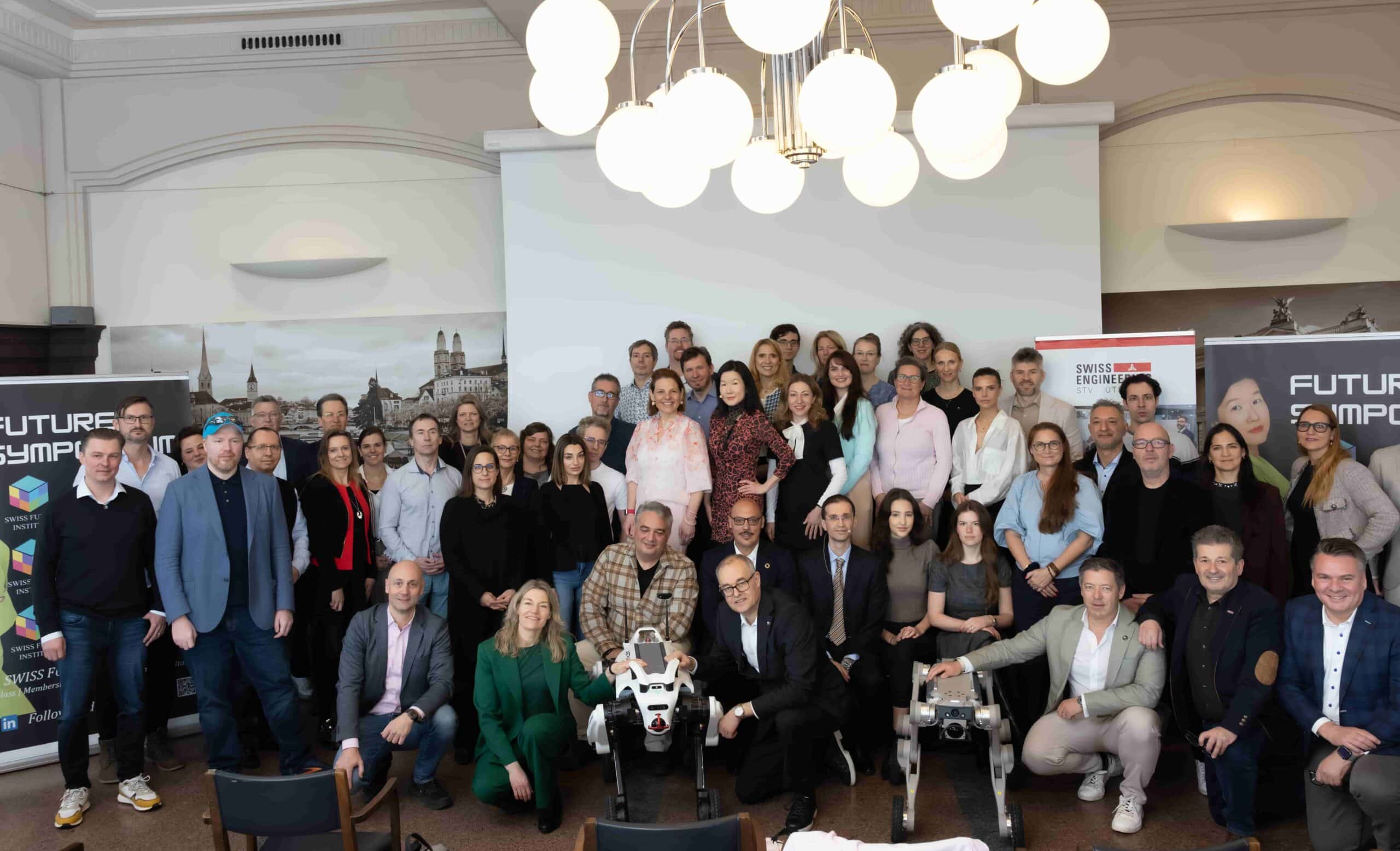
On the second day of the Swiss Future Institute ‘s Future Symposium (March 26/27, 2026), technological sobriety met social urgency. Between humanoid robotics, industrial reality and questions about diversity and participation, it became clear that the future will not be decided solely at the interface between man and machine, but in the interplay between technology, organization and attitude.
The second day of the conference began in a deliberately participatory manner. It was not content alone that should make the difference, but the quality of the discussion. The format focused on exchange, spontaneous encounters and a community that sees itself as part of shaping the future. The message was clear: progress does not come from lectures, but from dialog.
Humanoid robotics: between vision and production reality
The first focus was on the industrial applicability of humanoid robotics. The technological hype is just as real as the expectations. But in practice, the picture is much more nuanced.
Labor shortages, efficiency requirements and safety aspects are driving demand for automation on a massive scale. At the same time, the integration of humanoid systems into real production environments remains complex. Decisive hurdles lie in safe human-machine interaction, the limited operating time, the lack of fine motor skills with non-standardized materials and the currently high costs.
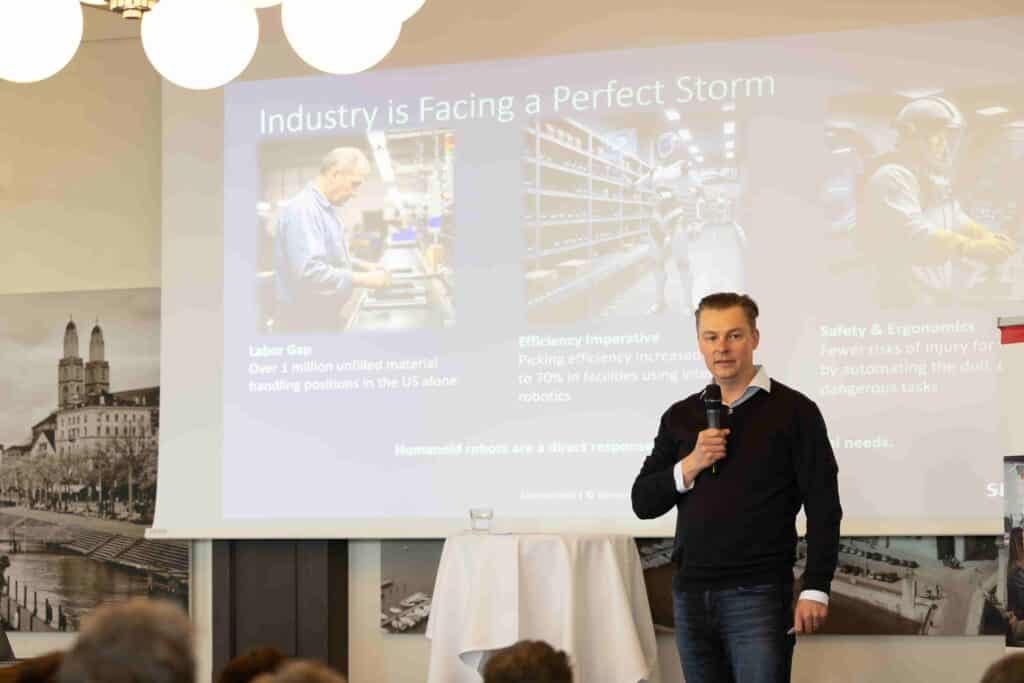
The key finding: not every task requires a humanoid robot. In many cases, specialized, simpler systems are more efficient. The human as a reference model is less a technological goal than a pragmatic adaptation to existing working environments. Where production processes are rethought, completely different robotic designs could be superior.
The illusion of maturity: why robotics has not yet “arrived”
A second presentation radically challenged the widespread perception that robotics is already established in industry. The reality in safety-critical areas such as energy or infrastructure paints a different picture.
While social media provides spectacular demonstrations, fundamental properties such as reliability, redundancy and fault tolerance are often lacking in industrial applications. Systems must not only function, but also remain stable under extreme conditions. Standards such as Six Sigma are not enough for this; significantly higher safety levels are required.
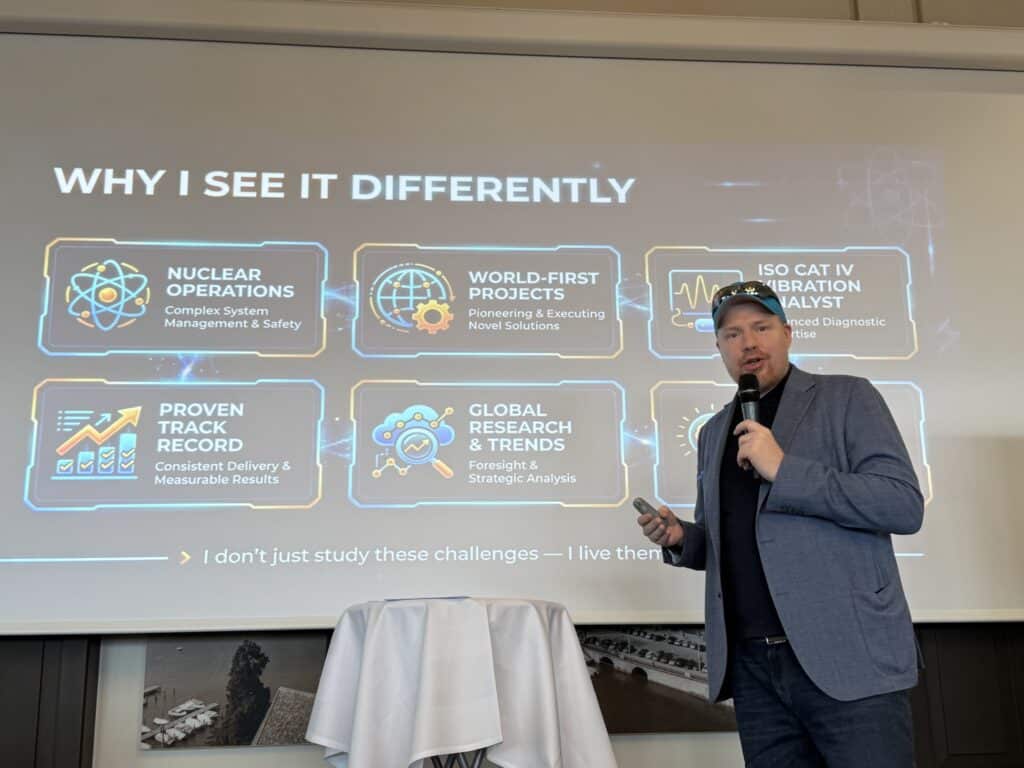
As a result, many of the robotics solutions visible today are even closer in technological terms to consumer products than to genuine industrial systems. The path to autonomous, robust robotics is less a question of spectacular capabilities than one of systemic engineering.
Beyond technology: neurodiversity as an underestimated innovation factor
In contrast to the machine perspective, another contribution focused on people themselves. Neurodiversity, i.e. different cognitive ways of perceiving and thinking, was described as a strategic success factor for companies.
Neurodivergence describes neurological differences in perception, thinking, learning, attention, communication and stimulus processing. These differences are part of human diversity.
European Institute for Neurodivergence
Particularly in times of AI and automation, the diversity of human thought models is becoming increasingly important. Organizations that only promote standardized skills risk losing innovation. The decisive factor is not adaptation, but the targeted development of individual strengths.
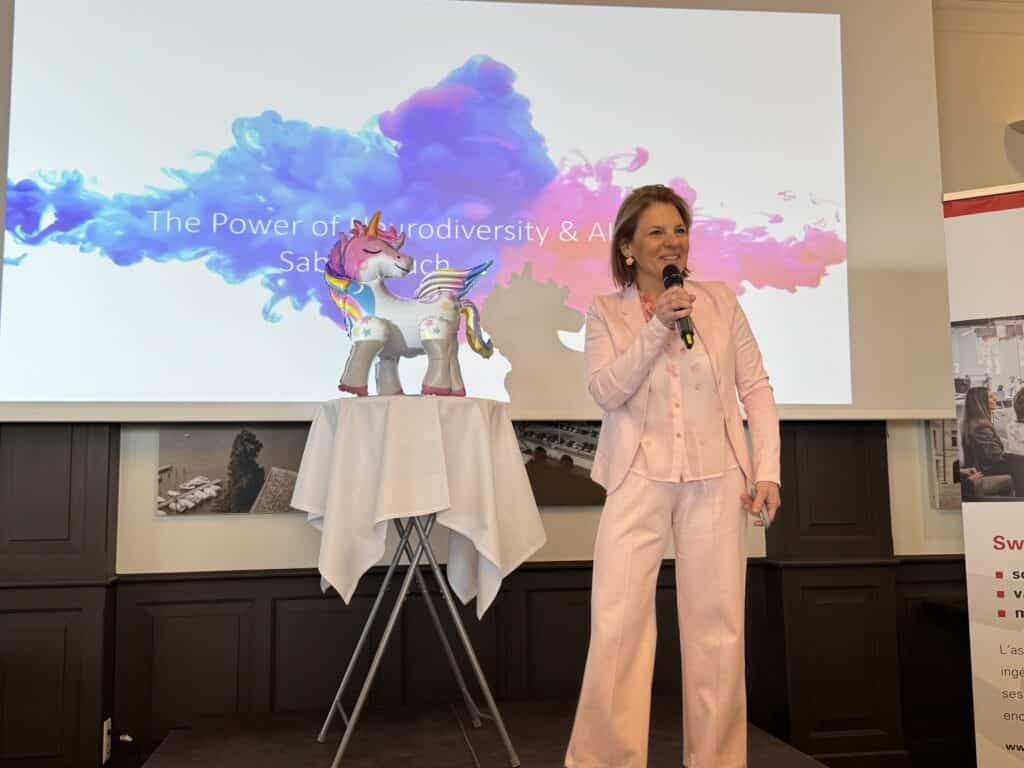
The discussion made it clear that diversity is not an additional social issue, but an economic lever. Different perspectives demonstrably increase the problem-solving skills and innovative capacity of teams.
The uncomfortable debate: diversity, power and reality
In the subsequent panel, the focus shifted from technology to social structures. Topics such as gender equality, access to capital and structural barriers were discussed in an unusually open manner.
A central area of tension became apparent: while many voices are calling for a “post-gender” perspective, real data continues to show clear imbalances, for example in management positions or in investments. The discussion made it clear that systemic changes rarely come about through appeals, but rather through concrete mechanisms, for example in selection processes or capital distribution.
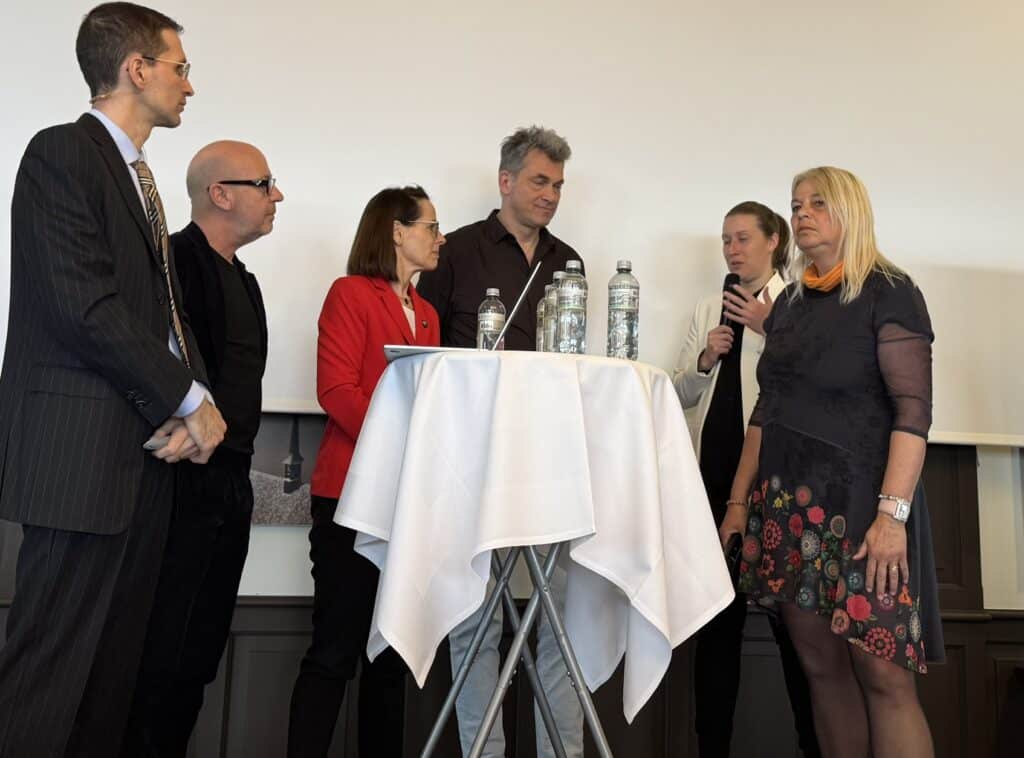
At the same time, criticism of existing categories was also voiced. Some voices advocated thinking less in terms of identities and focusing more on skills and problem-solving. The future of work could be defined less by attributions and more by skills.
Between progress and responsibility
A recurring theme of the day was the ambivalence of technological progress. Artificial intelligence and robotics open up enormous opportunities, but at the same time they reproduce existing social patterns if they are used without reflection.
This shifts the question of responsibility: It is not the technology itself that determines its impact, but the systems in which it is embedded. Governance, ethics and design are becoming key factors.
The future is a system problem
The second day of the symposium clearly showed that the future will not emerge in isolation from individual disciplines. Neither robotics nor AI nor social transformation can be viewed separately.
The key challenge lies in integration: technological performance, economic realities and social dynamics must be considered together.
Or to put it another way: The future does not belong to the best technologies, but to the best systems in which they work.
Binci Heeb
Read also: Building the future together
Search:
Sponsors: