At Risk-!n 2026 in Zurich, two sessions focused on the future: Bitcoin as the basis for life insurance and the imminent quantum era as an existential challenge for data security. Both topics have more in common than it initially seems, forcing the insurance industry to rethink fundamental assumptions.
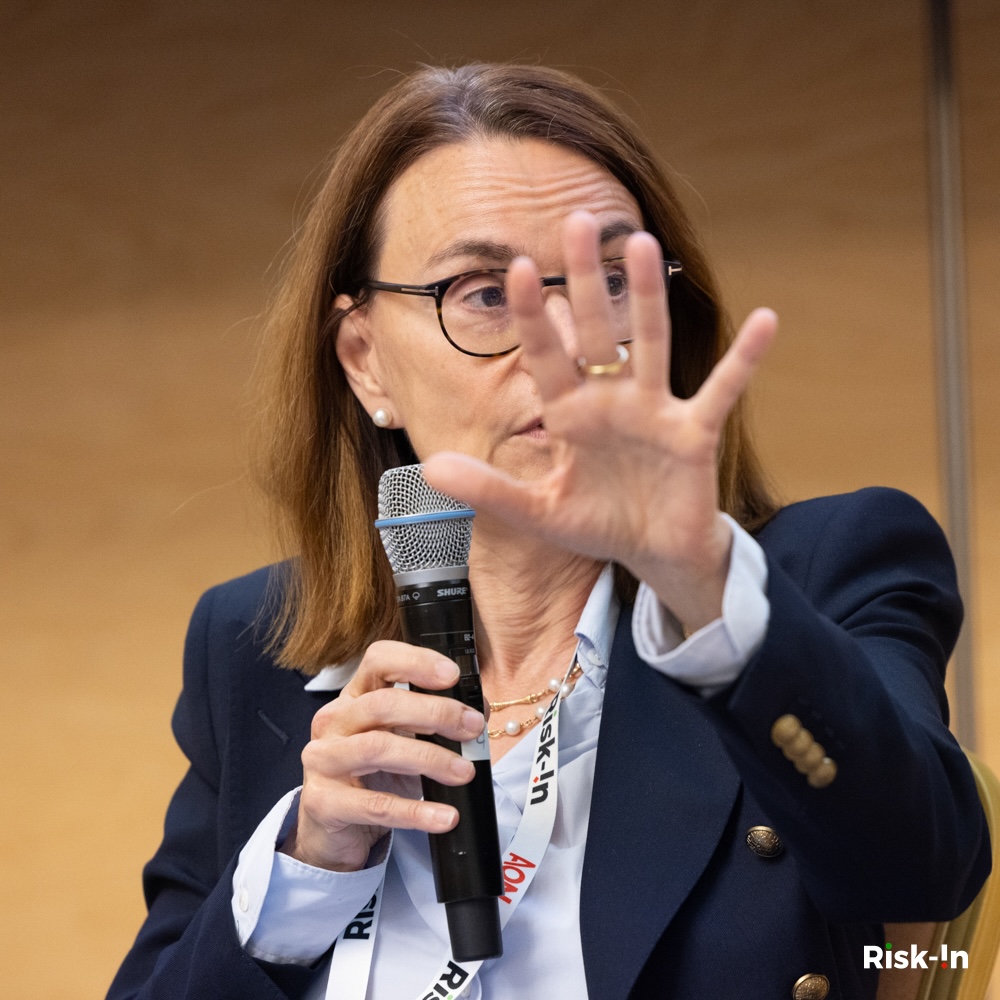
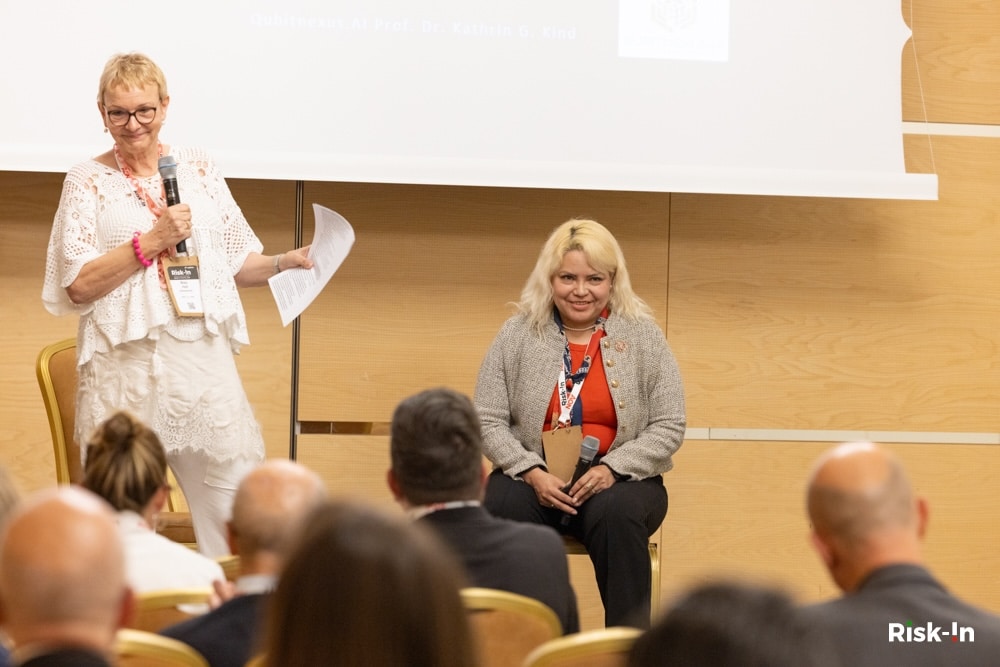
Binci Heeb, editor-in-chief of thebrokernews, moderated a panel discussion at the Risk-!n Conference 2026 on a topic that initially caused skepticism in the room: Bitcoin-based life insurance. Her guest Eric Lefebvre, an insurance specialist with a forensic investment background, provided the basic argument: the real problem is not the volatility of Bitcoin, but the assumption that liabilities must necessarily be denominated in fiat currencies.
The model is simpler than expected. If premiums are received in Bitcoin, reserves are held in Bitcoin and payments are also made in Bitcoin, the exchange rate risk within the system is eliminated. The balance sheet is kept internally in Bitcoin and converted into fiat on the reporting date, such as December 31, at the then applicable exchange rate and reported to the regulator. None of this is legally impossible, as Anna-Maria D’Hulster, Member of the Board of Directors of the UNIQA Insurance Group, confirmed. All that is needed is a regulator who plays along.
This already exists: in Bermuda, the life insurance company Meanwhile has received a life insurance license and is now selling Bitcoin-denominated products to customers in the USA. For Europe, Lefebvre sees Liechtenstein as the most promising location. The Principality is a member of the EEA, which would enable a European market passport, and also has an agreement with Switzerland. Whether the regulator in Vaduz is prepared to take this step is Lefebvre’s next point of contact.
He sees the market as real. Bitcoin owners who are thinking long-term in their asset currency and want to protect their families are asking for products denominated in Bitcoin. Since his article on the subject on thebrokernews, numerous interested parties have contacted him. However, D’Hulster urged regulatory diligence: a Bitcoin insurer would have to meet the same capital requirements as any conventional provider: possibly even with a premium, as long as regulators are not yet able to fully assess the concept.





A bomb with an open detonator
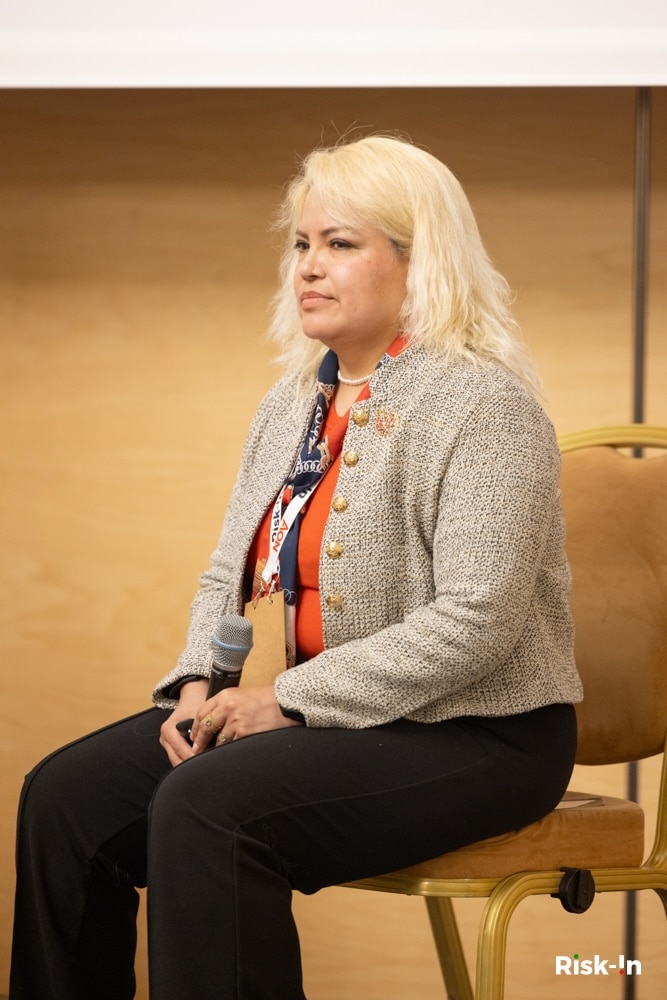
While the Bitcoin session discussed the future of insurance architecture, an hour later Professor Dr. Kathrin Kind, founder of the QubitNexus.AI platform and recent recipient of an academic award from Oxford University, sounded the alarm. Her message was clear and uncomfortable: quantum computing is not an issue for the day after tomorrow, it is a regulatory problem now.
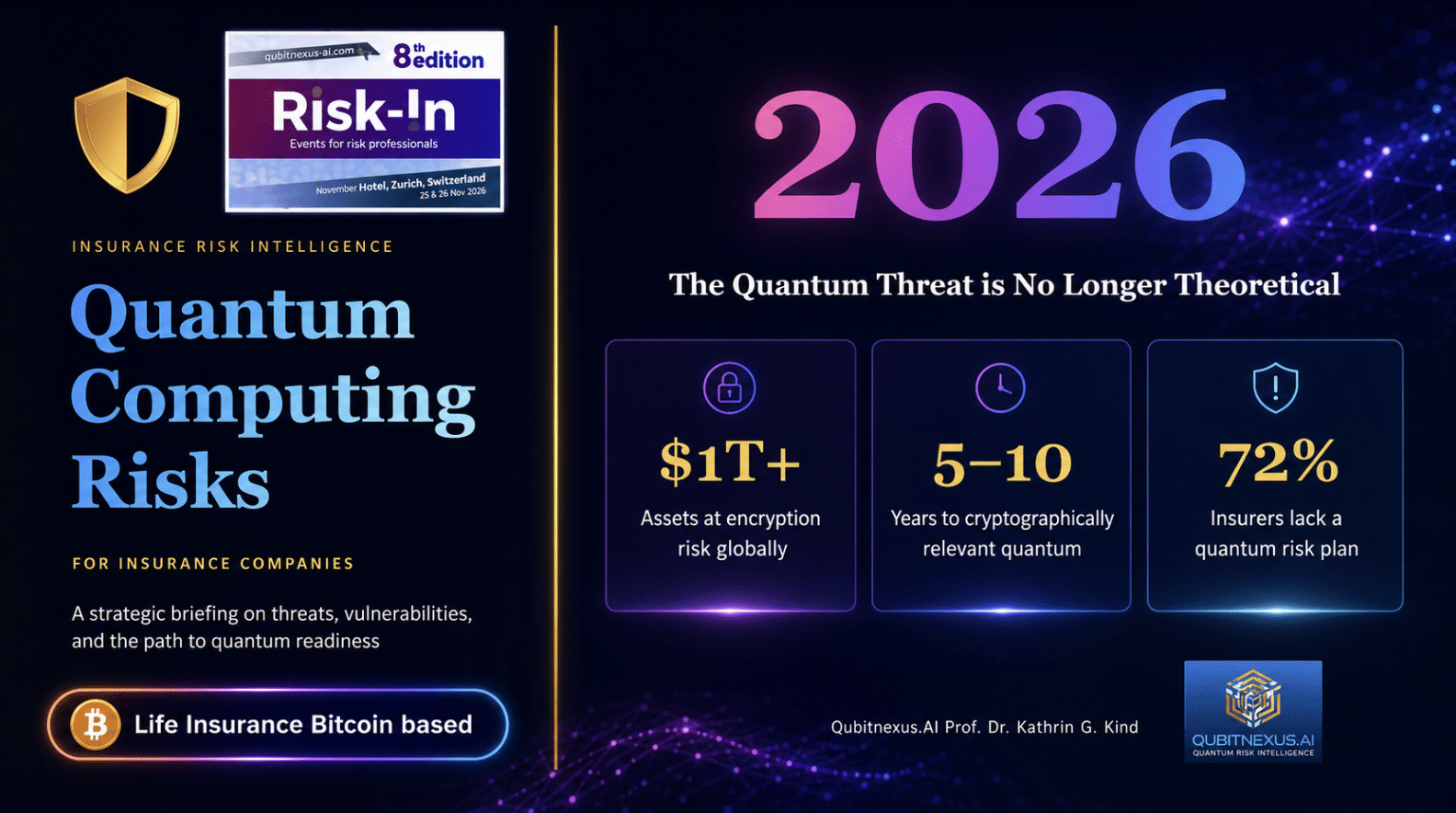
Kind presented three figures that she considered to be the most important. Firstly, assets worth one trillion dollars worldwide are at risk of encryption. Anyone who does not have a post-quantum cryptography layer is vulnerable to blackmail. Secondly, the major quantum computing companies IonQ, SilQ and IBM publicly declared in Davos that they will be ready to crack today’s encryption standards in three years’ time. Thirdly: 72 percent of insurance companies do not have a post-quantum strategy in place today.
The core threat is the so-called “harvest now, decrypt later” strategy: state and criminal actors are collecting encrypted data today in the expectation that they will be able to decrypt it in a few years’ time using quantum computers. Anyone sending sensitive data today, such as customer data, contract data or financial data, must therefore expect it to be readable in the foreseeable future.
Quantum physics for the Board of Directors
Kind translated the physics for the audience without using technical jargon. Quantum computers use so-called qubits, which, unlike classical bits, can simultaneously assume the states zero and one, like a coin that spins before it falls. Entanglement means that two qubits remain in the same state regardless of their physical distance. Interference allows an algorithm to correct itself. Together, these three principles enable computing power that exceeds that of conventional computers by a factor of 10,000.
For the insurance industry, this means that the first company to have a functioning quantum computer will be able to assess risks faster, create more precise actuarial models, detect fraud attempts more efficiently and calculate CAT models with previously impossible depth. Those who do not keep up will lose the competition for customers before they even know that the race has begun.
Technology is neutral, people are not
When asked whether quantum computers will be accessible to everyone, Kind answered in the affirmative, which caused a hush in the hall. China has already published its “Origin” quantum computer algorithm as open source. Anyone can now access 17 different quantum computers via AWS, Google or IBM. It takes two minutes to set up. What is missing is not access to the technology, but awareness of it.
Kind’s final appeal was aimed directly at CEOs, CROs and board members: post-quantum cryptography is not the IT department’s homework, nor even that of the CISO. It is the responsibility of the board of directors. The frameworks exist, from the EU NIS Directive to DORA, which has also been binding for insurance companies since 2026. What is missing is the willingness of companies to lead this change.
Her last word to the audience was unequivocal: “Are you ready? If not, educate yourself in AI and quantum computing. There is no other option.”
Risk-!n 2026 made it clear: whether it’s the Bitcoin balance sheet or quantum encryption, both topics challenge the insurance industry to review fundamental certainties. Neither of these are technology issues. They are strategic and regulatory issues and will inevitably end up on the table at management level.
Binci Heeb
Read also: Cyber is not an IT problem
Search:
Sponsors: