A webinar by Everbridge and Arcadis paints a picture of the European summer of 2026 not as a series of isolated extreme events, but as an interconnected risk system. Heat, drought, wildfires, and heavy rain follow one another like links in a chain. For companie, and especially for the insurance industry, which underwrites and prices these risks, this means that weather risk is no longer a seasonal side issue, but an ongoing priority.
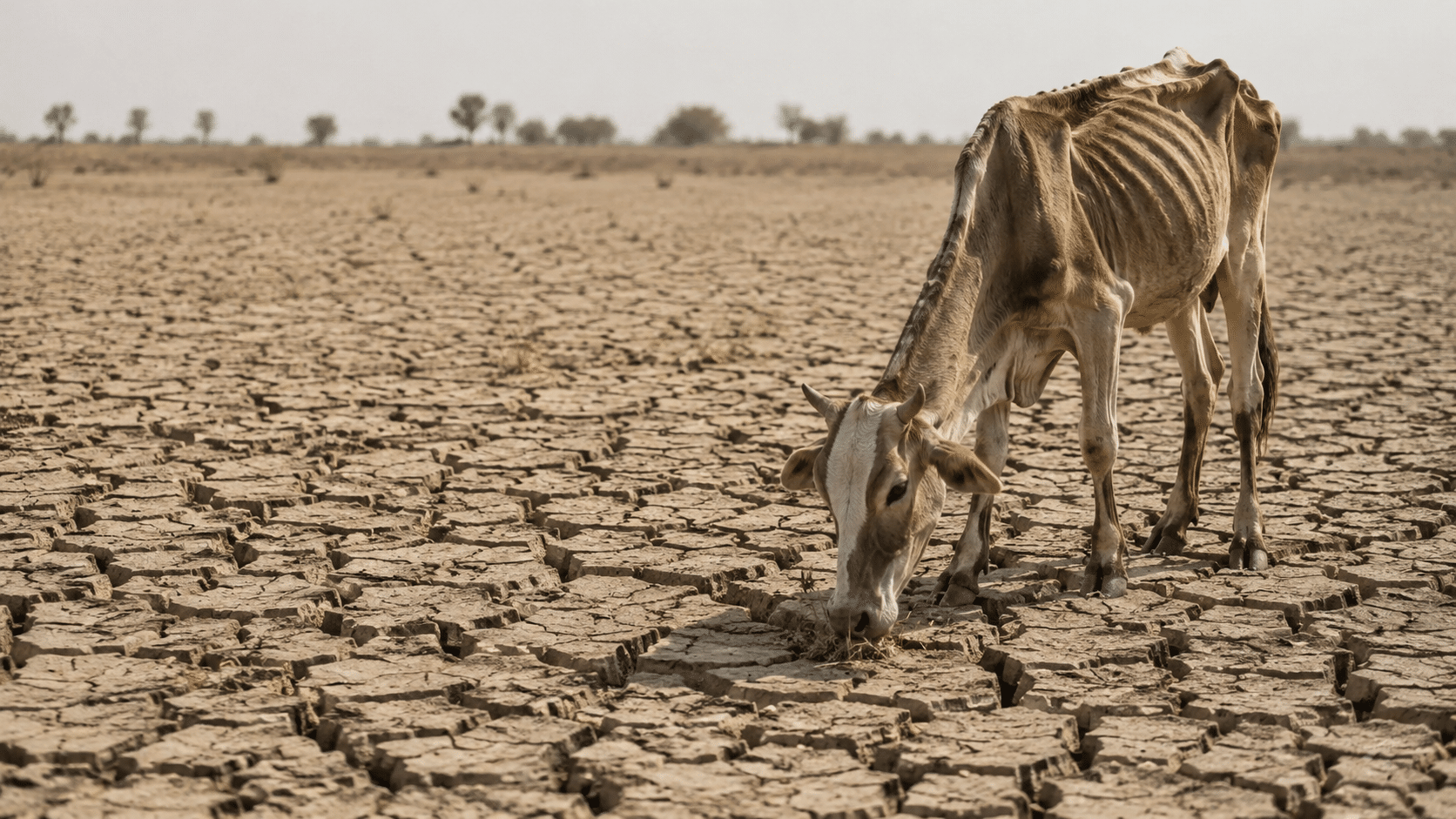
A Summer of Records: On Thursday, July 30, the thermometer in Basel-Binningen climbed to 39.7 degrees. It was the highest temperature ever recorded on the northern side of the Alps, as confirmed by MeteoSwiss. The ongoing heat wave is not only taking its toll on Switzerland during hot afternoons but is also increasingly affecting the forests: trees are dying, and along many roads, concerns about falling branches are growing. Gusts of wind and isolated thunderstorms are forecast for Friday, but meteorologists estimate that the expected rainfall will be far from sufficient to provide any noticeable relief to the soil, which has been parched for weeks.
A chain of events rather than individual events
Caitlin Gillespie, Chief of Meteorology at Everbridge, explains: From a meteorological perspective, Europe cannot be treated as a single entity. Stalled high-pressure systems bring heat and drought to one region while simultaneously driving heavy rain into neighboring regions. Prolonged heat leads to drought; drought leads to dry vegetation; and dry vegetation leads to a risk of wildfires. And when the high-pressure system finally breaks up, thunderstorms and storm systems follow often over soil that has already hardened and has little capacity to absorb water. Her key point: Drought has a memory. Isolated rain showers may provide short-term relief but do not end a drought, while soil and groundwater need weeks or even months to recover.
From Weather Alert to Operational Risk
James Burr, Senior Regional Analyst at Everbridge, translates this into operational implications. June 2026 was the hottest on record for Western Europe. The current low water levels on the Danube in Hungary and Romania demonstrate how a single drought can simultaneously paralyze freight transport, agriculture, and water management. Spain’s largest wildfire of 2026 demonstrates how quickly heat, wind, and fire can escalate, rendering entire regions inaccessible to businesses, supply chains, and travelers. And important from a risk perspective: heat and drought do not reduce the risk of flooding; in some cases, they actually exacerbate it, because parched soils absorb rainwater less effectively, leading to increased surface runoff.
What This Means for the Insurance Industry
It is precisely this chain of risks that poses the real challenge for underwriting and claims management. Anyone underwriting property insurance, business interruption, or transportation risks in Southern Europe is no longer confronted with isolated individual perils, but rather with correlated loss events that reinforce one another and can occur in rapid succession. This complicates traditional diversification assumptions in the portfolio and brings parametric coverage, dynamic risk models, and closer collaboration between primary insurers and reinsurers into sharper focus. Jessica Hanisch of Arcadis also confirms this based on her consulting experience: Investors and insurers are increasingly demanding robust evidence that a location will remain insurable and retain its value even ten years from now.
Climate resilience is becoming a matter of investment
Hanisch cites a figure that makes you sit up and take notice: According to a McKinsey study, in order to maintain today’s level of protection under a two-degree warming scenario, spending on heat, drought, flood, and wildfire protection would have to increase 2.5-fold. Between 2023 and 2024, costs directly linked to extreme weather have already risen by 20 percent. Her three-step approach for companies – mapping exposure, assessing sensitivity and adaptability, and deriving an investment strategy from these findings – essentially aligns with the logic that insurers, too, are increasingly required to apply in portfolio management and pricing. It is important to note that even higher-elevation locations are not automatically safe if access routes are flooded. Arcadis therefore always assesses a site’s entire surroundings, not just its individual coordinates.
Five to seven days of reliability – no excuses for delays
When asked how far in advance weather disturbances can be predicted, Gillespie answers honestly: reliably five to seven days, and up to fourteen days for broader trends. For Hanisch, this means that separate climate emergency planning alongside traditional business continuity planning is unnecessary; climate change merely alters the frequency of events that companies must prepare for anyway.
For the insurance industry in the DACH region with exposures in supply chains, travel, and locations in Southern Europe, the message is clear: The summer of 2026 is not an outlier, but a pattern that will repeat itself, and one that risk models, underwriting, and loss reserves must address. Furthermore, the transition to fall does not signal the all-clear; rather, it shifts the risk from heat and wildfires to heavy rain, flooding, and landslides on already weakened soil.
Binci Heeb
See and read also: AI, climate risks and the art of working with uncertainty
Search:
Sponsors: