The Swiss broker market is facing significant changes: Consolidation trends, growing demands on digital service ecosystems and new risk dynamics are confronting intermediaries, insurers and brokerage houses with strategic decisions.
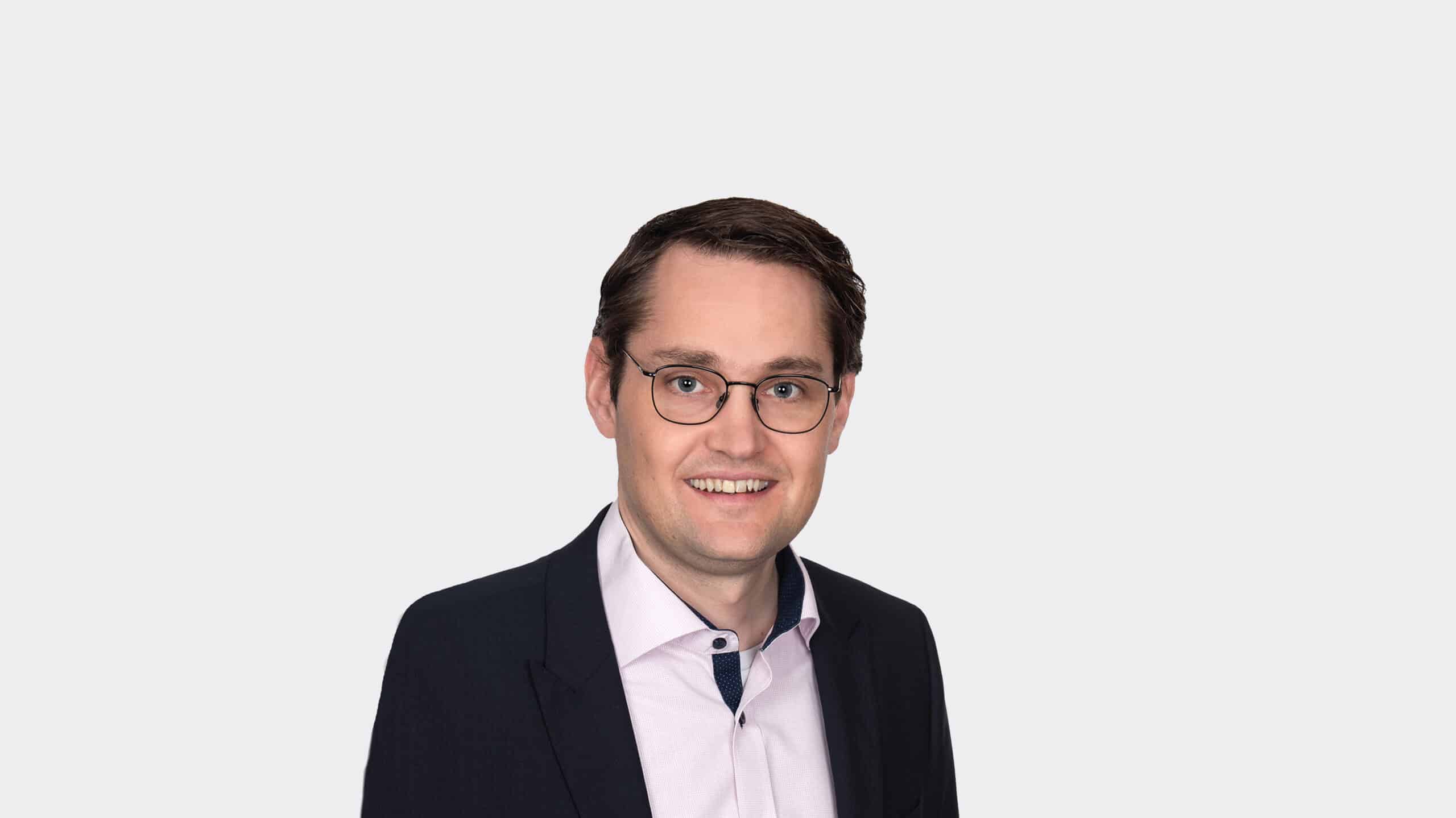
Franc Büsser, who has been anchored in the broker and insurance world for years and is Head Broker at AXA Switzerland, shares his perspectives on current developments, challenges and opportunities from the perspective of a market player operating at the interface between insurers and brokerage.
Mr. Büsser, how would you describe the current state of the Swiss broker market, where do you see the biggest structural changes in the last 3-5 years?
The market is currently in a phase of profound change. Consolidation in particular has gained significant momentum and is increasingly shaping the broker landscape. On the one hand, brokerage houses from neighboring countries have entered the Swiss market, while on the other, more and more brokers are merging here too.
At the same time, the broker market continues to show solid growth. The need for independent advice, particularly in the corporate business, is increasing noticeably.
Consolidation is a frequently mentioned buzzword in the brokerage business. What drivers do you see behind this development and how does it affect smaller, independent brokers?
Several factors have accelerated this consolidation movement. Firstly, the industry is facing a generational change: many founders of brokerage companies are currently looking for suitable succession solutions.
On the other hand, increasing regulatory requirements and necessary investments in digitalization are increasing economic pressure. Many brokers are therefore asking themselves whether long-term independence still makes sense.
In addition, customer expectations have risen. Advice is becoming more demanding and in many areas, much more specialized expertise is required today.
What role do international brokerage houses play in the Swiss market environment? Are you observing a stronger presence or changed competitive dynamics here?
International brokers – particularly from Anglo-Saxon countries – have been active in the Swiss market for some time, but so far mainly in the large client segment. We are now seeing brokers from neighboring European countries increasingly entering the SME segment.
However, the Swiss broker market remains fundamentally attractive: the business models are stable and sustainable, which further increases the interest of international investors.
How is cooperation between insurers and brokers changing from a broker’s perspective in times of increasing regulatory requirements and digitalization?
Overall, the requirements have increased significantly and the business has become more complex. Particularly in the regulatory area, the amount of control and documentation required by insurers has increased considerably, which makes processing more expensive.
At the same time, digitalization opens up great potential for efficiency. Transactional processes in particular can now be handled much more easily and quickly. This gives both brokers and insurers more scope for value-adding advice and services.
What strategic plans is AXA Switzerland currently pursuing to strengthen its position with brokers and agents?
Our aim is to be the preferred partner for brokers. We pursue this goal on two levels: through strong personal support for our broker partners and through the consistent use of modern technologies that simplify and accelerate processes.
How does AXA assess the importance of exclusive partnerships versus an open broker connection?
Exclusive partnerships can make perfect sense, especially for standardized products. In my area of responsibility, however, we work exclusively with independent brokers. For us, the independence of the brokers is paramount.
To what extent does digitalization influence the daily work of brokers, both operationally and in terms of advice?
Our aim is to use digitalization to make cooperation between brokers and AXA more efficient. Data exchange in particular is increasingly being handled digitally. This speeds up processes and reduces administrative work.
Which digital tools or platforms do you see as particularly effective for the broker community, and where do you think there is still some catching up to do?
The central online platform EcoHub in particular has established itself as the industry standard. Many processes have already been standardized here, even if development is far from complete.
In addition,comparison platforms offerclear advantages, especially in the quotation process.
How important is the integration of data analysis/AI-supported solutions for risk assessment, customer segmentation or offer processes in the brokerage business?
AI-based applications offer a wide range of potential uses. In future, it will be crucial to integrate these technologies into existing processes in a targeted manner and to consistently utilize their added value.
They currently function primarily as assistance and knowledge systems. In the future, however, they can make a significant contribution to the further development of the insurance industry, for example through personalized offers, automated processes and more precise risk management.
What changes in customer behavior do you see among corporate customers in terms of advice, product selection and service?
Customers’ expectations have risen significantly. In addition to personal advice, corporate customers today also expect information to be available digitally at all times. Furthermore, transparency, fast communication and comprehensible decision-making processes have become much more important.
What role do sustainability and ESG criteria play?
These topics are also becoming increasingly important. Particularly in the international and large customer segment, customers and brokers expect sustainability and ESG aspects to be firmly anchored in the business model and also reflected in the insurance solutions offered.
What expectations do brokers have of insurers today?
Above all, brokers expect a stable and reliable partnership. This continues to include personal support, which also plays a central role in the digital environment.
Equally important are a consistent risk and acceptance policy as well as efficient and fair claims settlement. These factors are crucial for long-term customer relationships.
What regulatory developments are you observing and what impact could these have on brokers and insurers?
The regulatory requirements for intermediaries have increased significantly. This also means more work for insurers: in addition to training and information obligations, additional monitoring and documentation tasks have been added.
How is AXA Switzerland positioning itself for the next 5 years?
We are following developments in the market very closely. Our aim is to remain the preferred partner for our brokers in the future.
We achieve this through a combination of personal service and consistent technological development. We see great potential for further digitalization, particularly in data exchange.
What three priorities do you see for the further development of the Swiss broker market?
The Swiss insurance and broker market is still very heterogeneous and fragmented in terms of systems and processes.
It would therefore be desirable for all relevant market participants to work more closely together. Joint platforms could make a significant contribution to simplifying processes and sustainably increasing the efficiency of business transactions.
The questions were asked by Binci Heeb.
Franc Büsser has been Head of the Broker Channel at AXA Switzerland since 2023. He has around 25 years’ experience in the insurance industry, much of which he spent at AXA. Prior to his role as Head of the AXA Broker Channel, he served as CEO and Managing Director of the brokerage firm A+R Arbens RVT. Franc Büsser lives with his family in Eastern Switzerland.
Read also: Insurance Broker Forum 2026
Search:
Sponsors: