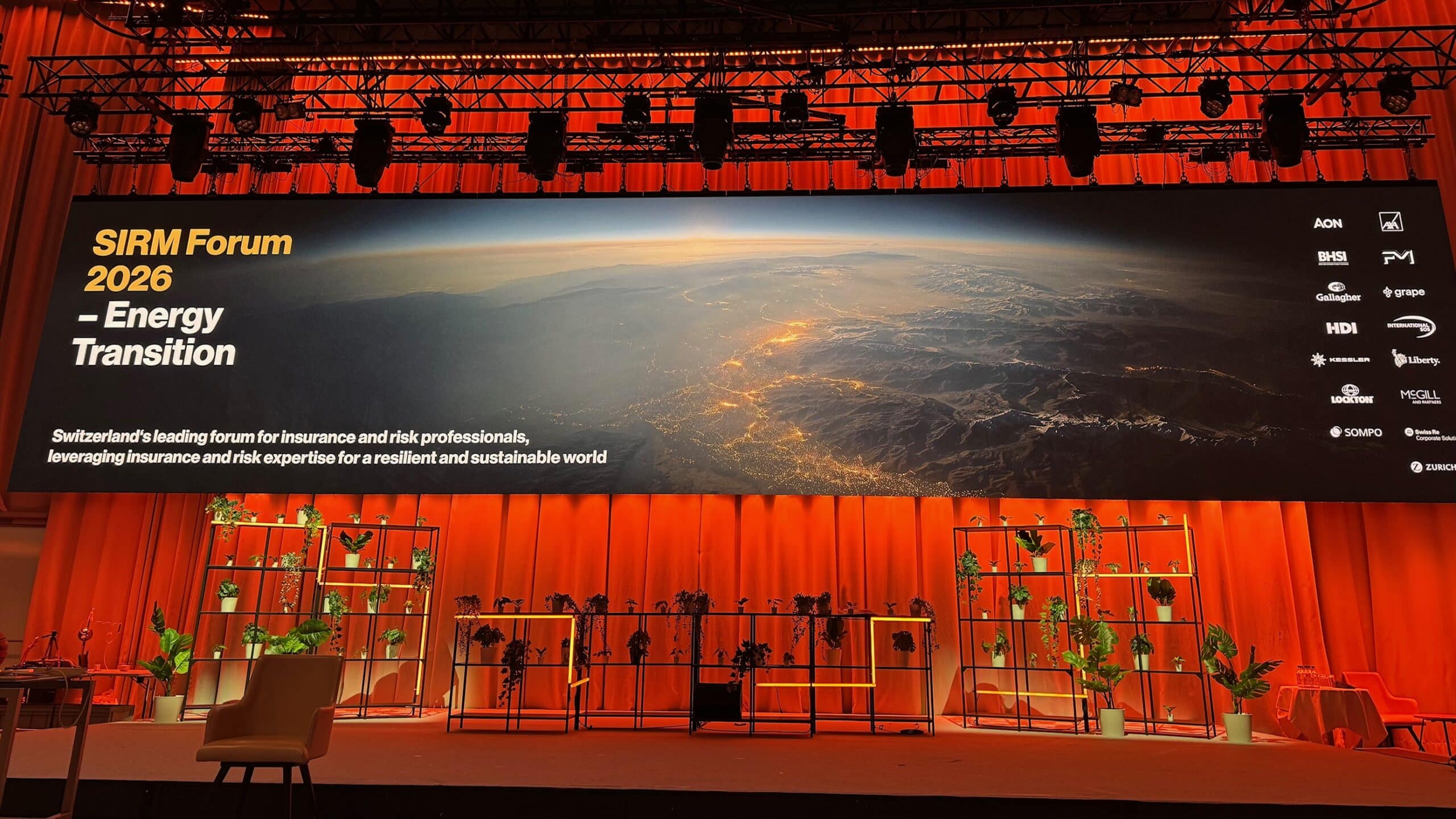
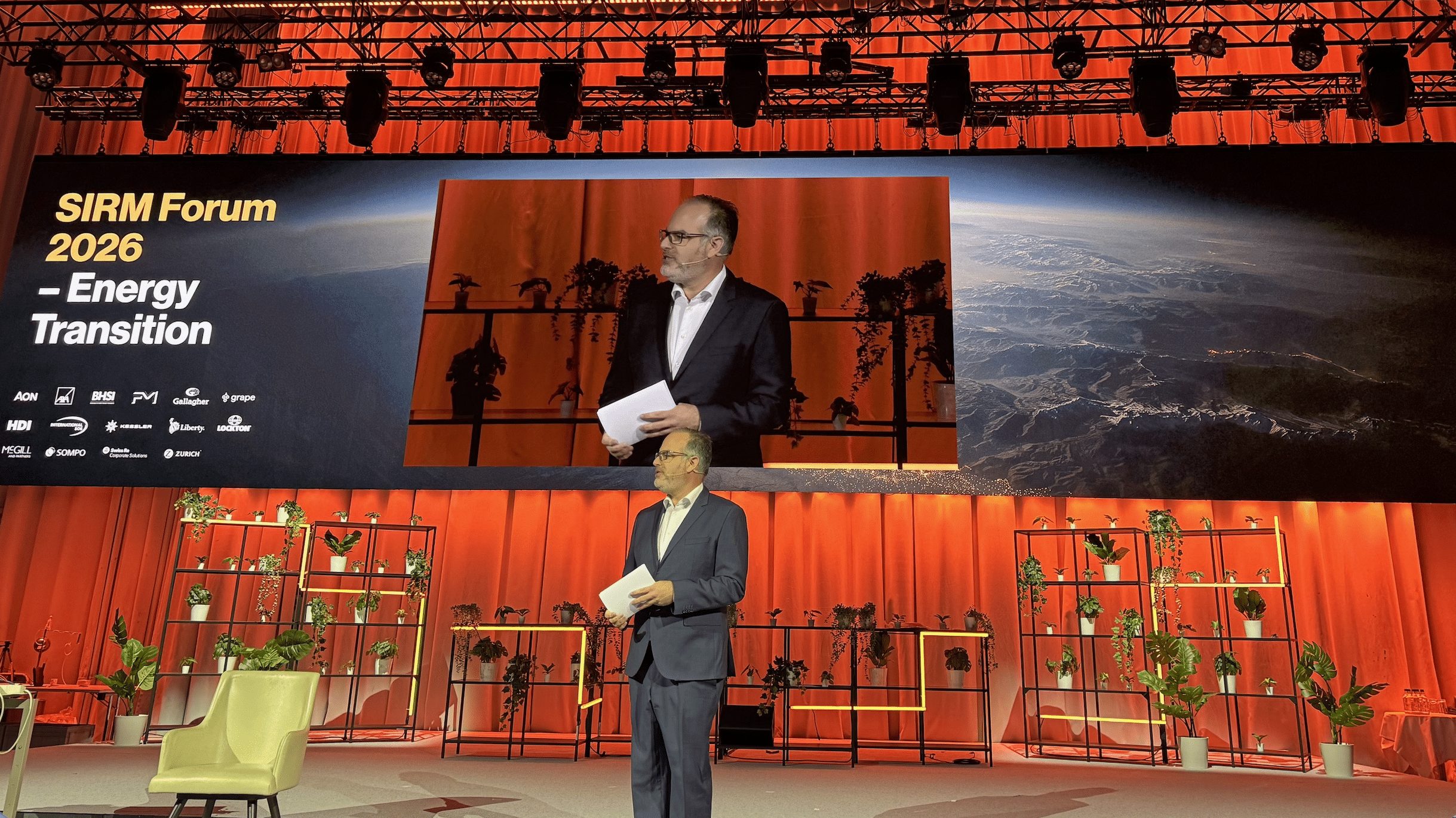
Electricity is just there. This assumption, said the moderator at the start of the SIRM Forum 2026 at the Kursaal in Bern, is precisely where risks begin. On November 18, more than 300 risk managers, insurers, and brokers learned why the energy transition is progressing faster than the public debate suggests, and why its very pace is creating new vulnerabilities.
Before anyone started talking about terawatt-hours, there was hands-on physics. The team from the Swiss Science Center Technorama had the audience inflate balloons, sit on them, and form human chains until a small device lit up. The attempt to cook a sausage with a car battery initially failed because of the cable. One could hardly have come up with a more fitting introduction to the topic: Energy is only taken for granted when the connection works.
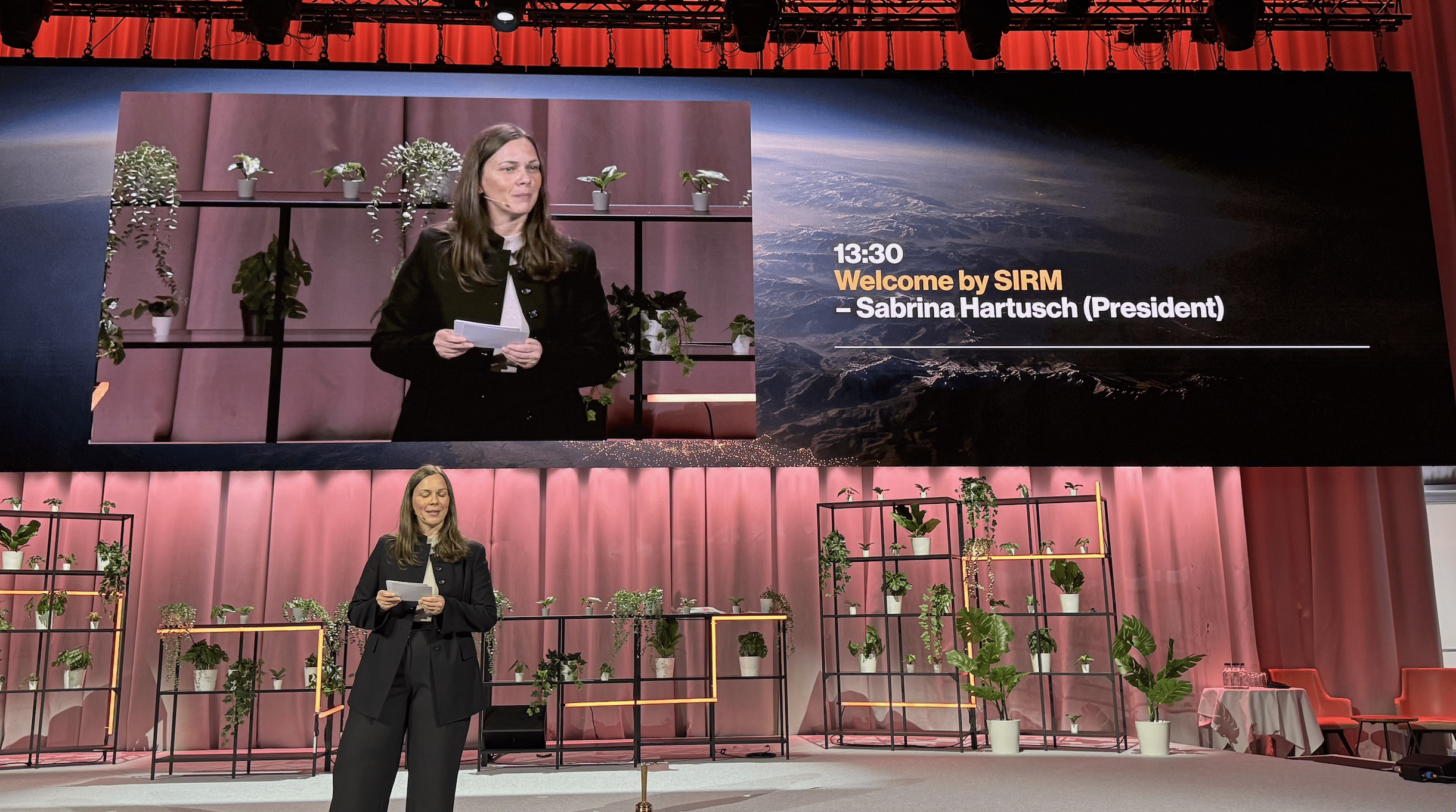
SIRM President Sabrina Hartusch took the stage to announce two pieces of news. The association has adopted a mission statement that will appear in all its documents starting in 2027: Using insurance and risk expertise to build a resilient and sustainable future “we represent, we connect, we share, we educate.” And in partnership with ZHAW, SIRM is launching its own CAS program in Corporate Risk and Insurance Management. Laurent Nihoul, CEO of FERMA since December 2025, which represents approximately 27,000 risk managers across 24 associations—praised SIRM as one of the most dynamic associations in the European network.

The transition is underway, just more quietly
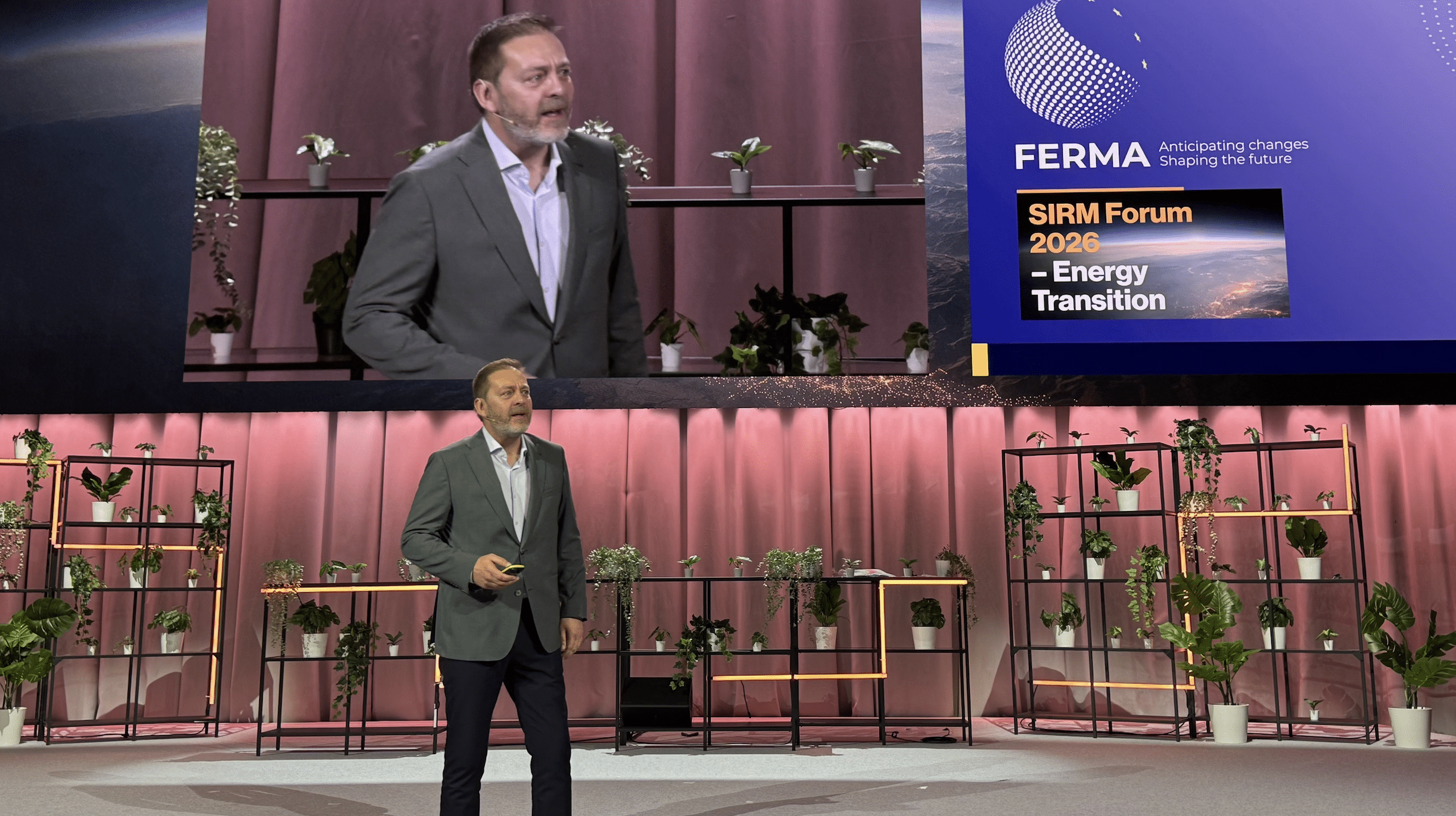
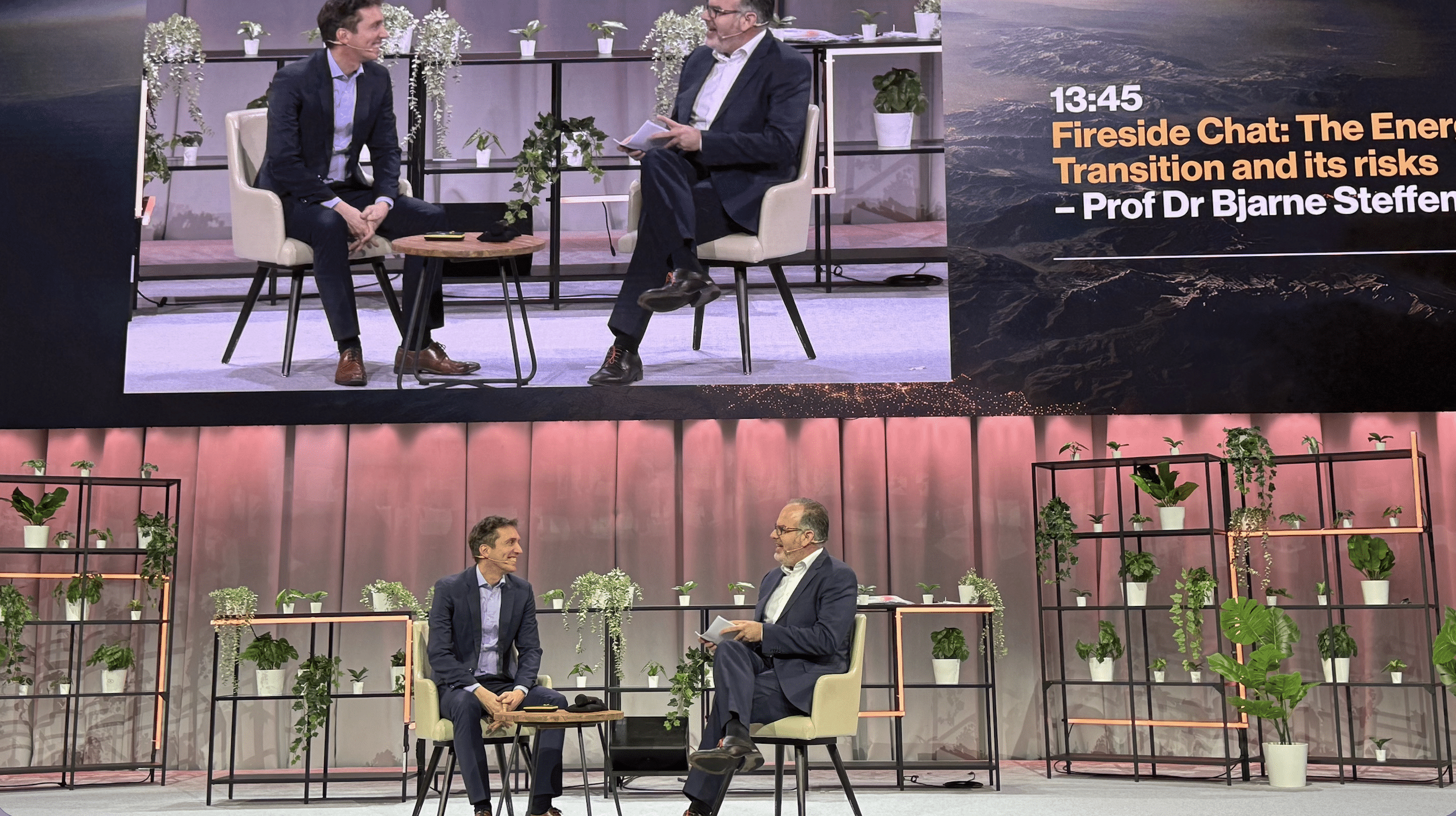
Bjarne Steffen, a professor at ETH Zurich, set the context for the discussion. His assessment: Enthusiasm for climate policy has been greater in the past, but the sense of urgency has never been greater. Switzerland has already warmed by about three degrees compared to pre-industrial levels, and about three-quarters of global greenhouse gas emissions come from the energy sector.
ETH estimates that the investment needed for climate-related energy infrastructure in Europe is around 300 billion per year. That is a lot about 40 percent above historical levels, but well below two percent of GDP. The capital is available for mature technologies such as solar, grids, storage, and rail infrastructure. Despite political headwinds from Washington and a harsher tone in Brussels, Steffen believes climate policy is more robust than its reputation suggests. As evidence, he cited the CO2 price in the EU Emissions Trading System, which has remained between 50 and 90 euros, as well as 500 to 600 gigawatts of newly installed solar capacity worldwide each year.
What was of interest to risk managers was his distinction between two types of dependency. Fossil fuels represent a flow dependency: without a steady stream of imports, everything comes to a standstill. Solar panels from China represent a stock dependency: if the supply is interrupted, the installed systems continue to generate power.
Three Risks That Matter
Steffen categorized the risks of the energy transition into three categories. First, the question of whether renewable energy can deliver on a large scale. The answer, in principle, is yes, as Germany demonstrates with nearly 60 percent renewable energy. Switzerland’s winter problem is real, but at the European level it is significantly less severe thanks to wind power. Second, the price risk associated with fossil fuels, which cannot be insured against but can only be managed through procurement, hedging, or, as mentioned, the shift toward electrification, on-site generation, and batteries. Third, short-term supply security in a decentralized, digitized system. Switzerland has around 650 energy suppliers, many of which lack large IT departments, plus inverters, wall boxes, and batteries connected to the grid,, not all of which have up-to-date firmware.
It becomes dangerous when many small, seemingly uncritical systems are identical. A single inverter isn’t a problem, but ten thousand of the same design certainly are. AI also shortens the time between the discovery of a vulnerability and its exploitation from weeks to hours. And in addition to cyberattacks, we mustn’t forget physical attacks, as the attacks on the power grid in Brandenburg and Berlin have shown.
When asked bythebrokernews whether new dams were the next step instead of expensive and time-consuming nuclear power plants, Steffen remained level-headed: He noted that hydropower potential is limited both geologically and politically, and that the processes involved are lengthy and controversial. His advice to the risk managers in the room: don’t just focus on the Swiss debate, but also on the pace at which the transition is happening elsewhere.
The Gap in Winter
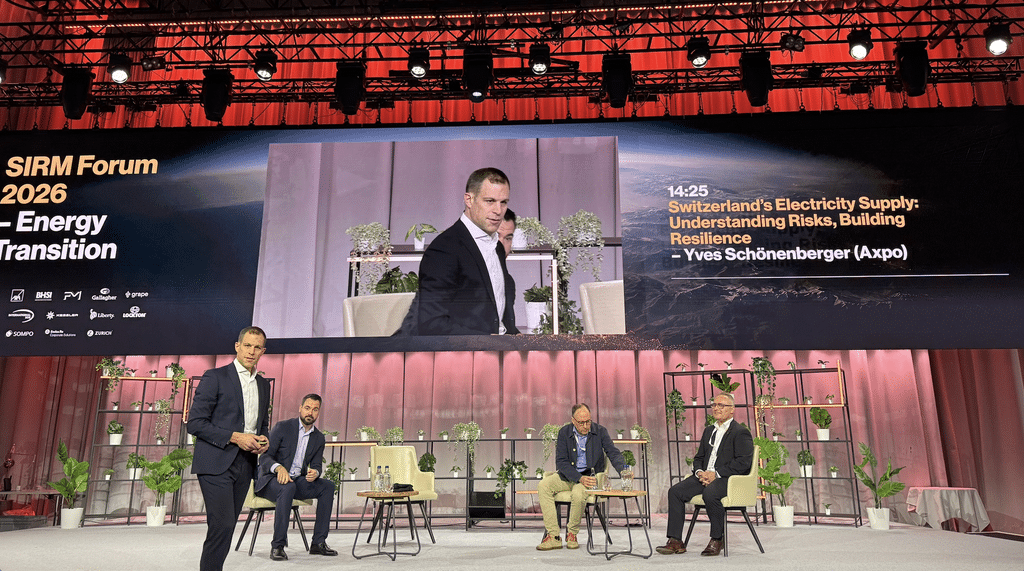
The following session addressed the question of whether the lights will stay on in Switzerland. The representative from Axpo, which supplies about 40 percent of Switzerland’s electricity, summarized the approximately 1,000 pages of the Axpo Energy Reports in five slides. Electric vehicles, heat pumps, and data centers are driving up consumption; nuclear power plants are aging; and the gap between consumption and production is expected to grow to about 25 terawatt-hours. There is practically no additional hydropower potential left. Solar power provides too little in the winter, wind power faces opposition, new nuclear power plants are banned and would take a long time to build anyway, and gas causes emissions. No single technology is a silver bullet. Axpo therefore outlines two scenarios: renewables plus gas as a backup, or coexistence with nuclear energy, in which existing plants would operate for longer.
During the panel discussion, he summed up the import problem. An electricity agreement with the EU ensures that the transmission line is in place. However, this does not guarantee that electricity will flow during a cold winter, since no neighboring country has an export strategy.
The Industry’s Perspective
Lonza’s global head of sustainability explained how energy flows in pharmaceutical production: roughly half natural gas and half electricity, with the largest consumer being not the reactor but the air conditioning system for the Cleanrooms at around 40 percent. Lonza now sources 90 percent of its purchased electricity from renewable sources. While electrification does put more eggs in one basket, it does not double the risk, especially since a diversified mix of heat pumps, smaller boilers, and heat exchangers provides a better understanding of the systems. His biggest risk is neither the price nor the supply, but rather the infrastructure on his own site. Investments in a site’s power grid don’t yield a return, so people are often willing to wait a year. And everyone is waiting for someone else to take the first step.
Small Parts, Major Damage
The most surprising contribution came from Matthias Mack, Vice President of Renewable Energy at Stäubli Electrical Connectors in Allschwil. According to the company, it has equipped approximately half of the world’s installed solar capacity, about 2,400 gigawatts, with connectors. With the rapid expansion, quality is declining: Drone measurements showed average power losses of up to five percent each year over the entire service life. Connectors account for only 0.1 percent of the investment costs, but an overheated contact can lead to failure, fire, and ultimately a lawsuit. Installers’ warranties expire after one to three years, but damage often doesn’t become apparent until three to five years later. With five times the excess capacity in module production, companies are fighting over every cent, and savings are made on parts that all look the same – black. The moderator added the apt saying: “If you buy cheap, you buy twice.”
The lights will probably stay on. The question is: at what cost, with what components, and who checked them beforehand?
Binci Heeb
Another article about the forum will be published soon.
See also: Karl Andersen: Electricity That Pays Off
Search:
Sponsors: